Hey there, logistics enthusiasts and business owners! Ever felt like your inventory is stuck in a never-ending cycle, costing you precious time and money sitting idly in a warehouse?
I totally get it. In today’s lightning-fast e-commerce landscape, every second counts, and traditional warehousing can sometimes feel like an old-school bottleneck.
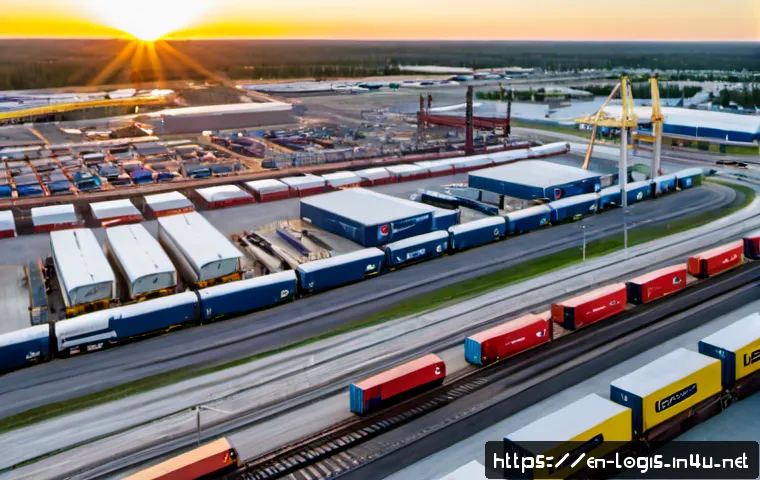
That’s exactly why I’ve been diving deep into cross-docking lately, and let me tell you, it’s a real game-changer. From my own observations and chatting with folks on the ground, this strategy isn’t just a fancy term; it’s proving to be an absolute lifesaver for businesses looking to supercharge their supply chains, cut down on storage costs, and get products into customers’ hands faster than ever before.
It’s truly fascinating how a seemingly simple shift in handling can revolutionize an entire operation, especially when we consider the growing complexities of global logistics and the relentless push for same-day delivery.
If you’re ready to unlock new levels of efficiency and give your business a serious competitive edge, then you’re in the right place. Let’s delve into the fascinating world of cross-docking and discover exactly how it can transform your operations!
The Express Lane to Efficiency: Why Cross-Docking Makes Sense
Slash Those Storage Costs
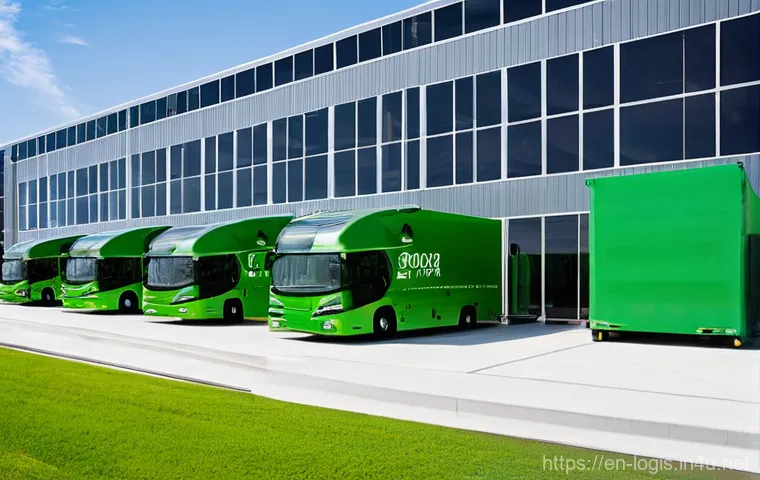
Let’s be real for a moment. I’ve personally seen businesses get bogged down by the sheer weight of their inventory, literally and figuratively. Those towering shelves filled with products just sitting there? They’re not just taking up space; they’re draining your cash. That’s why cross-docking really hit home for me. It’s a game-changer because it slashes those hefty storage costs by minimizing or even completely eliminating the need for long-term warehousing. Think about it: no more paying for square footage for products that are just waiting around, no exorbitant insurance fees for stagnant stock, and significantly less labor dedicated to moving things into and out of storage. When I talk to other entrepreneurs, the immediate cost savings are often the first thing that catches their eye, and honestly, who can blame them? It’s not just about cutting down expenses; it’s about freeing up capital that can be reinvested into growth, innovation, or even just giving your team a well-deserved bonus. It truly feels like a breath of fresh air for the budget.
Turbocharge Your Delivery Speed
In our hyper-connected world, customers expect their orders yesterday, right? I know I do! And from what I’ve observed, cross-docking delivers on that expectation beautifully. It dramatically speeds up delivery times because products literally just “cross the dock” from an inbound truck directly to an outbound one. This means less waiting around, fewer bottlenecks, and a much smoother flow through the supply chain. For e-commerce businesses especially, this isn’t just a nice-to-have; it’s absolutely essential for staying competitive. I’ve heard countless stories from business owners who’ve adopted cross-docking and seen their customer satisfaction ratings soar. When you can consistently get products into your customers’ hands faster, you’re not just meeting expectations; you’re often exceeding them. It builds incredible loyalty and word-of-mouth buzz, which, as an influencer, I know is priceless. It feels like you’re giving your customers a superpower: instant gratification, and that’s a powerful thing in today’s market.
Not All Docks Are Created Equal: Understanding the Types
Pre-Planned Perfection: Pre-Distribution Cross-Docking
When you dive into the world of cross-docking, you quickly realize it’s not a one-size-fits-all solution. One of the most common types I’ve encountered is pre-distribution cross-docking, and it’s all about meticulous planning. With this approach, the final destination for each product is determined even before it leaves the supplier. Imagine a supplier shipping truckloads of items to a cross-docking facility, but every single box already has its final address — whether it’s a specific retail store or a particular customer. At the cross-dock, these goods are unloaded, quickly sorted based on those predetermined instructions, and then immediately loaded onto the correct outgoing trucks. I’ve seen this work wonders for businesses with predictable demand and established distribution channels. It’s like a well-orchestrated ballet, where every move is choreographed in advance, ensuring minimal fuss and maximum speed. It requires strong communication with suppliers, but when it clicks, it’s a beautiful thing to witness.
Adapting on the Fly: Post-Distribution Cross-Docking
Then there’s post-distribution cross-docking, which, in my experience, offers a bit more flexibility, though it demands sophisticated technology. Here, the sorting and allocation of products to their next destinations happen right there at the cross-docking terminal. The products arrive, and then based on real-time demand or orders that have just come in, they’re sorted and directed. This approach is particularly useful when customer needs or order volumes can change quite frequently. I always think of it as a responsive, agile system that can adapt to the unpredictable nature of market demands, especially in fast-paced retail or e-commerce environments. It’s a bit more complex, requiring advanced sorting technology and real-time synchronization, but the ability to make decisions on the fly can be a huge advantage. It feels like having your finger on the pulse of the market, reacting instantly to what’s happening right now.
The Flow State: Continuous and Consolidation Cross-Docking
Beyond the pre- and post-distribution models, you’ll also hear about continuous and consolidation cross-docking, each with its own rhythm. Continuous cross-docking is exactly what it sounds like: a constant, almost unbroken flow of products. Goods are transferred directly from inbound to outbound transportation with virtually no storage time. This setup is absolutely perfect for high-demand, fast-moving items, like fresh produce in a supermarket chain, where every hour counts. It’s all about maintaining momentum, and I’ve seen it drastically cut down lead times. Then there’s consolidation cross-docking, which is a bit like a logistical matchmaker. It takes smaller product shipments from various suppliers and combines them into larger, more cost-effective loads for transport. I find this particularly brilliant for businesses trying to optimize their freight costs. Instead of sending out several partly empty trucks, you fill one up efficiently, saving both money and fuel. It’s a smart way to get more bang for your transportation buck, and it just makes so much sense from an operational efficiency perspective.
Making it Happen: Key Ingredients for a Smooth Operation
Facility Layout and Design that Works
Implementing cross-docking isn’t just about wishing for speed; it’s about making deliberate choices, and the physical layout of your facility is absolutely critical. I’ve learned that a well-designed cross-docking terminal can make or break the entire operation. We’re talking about configurations that minimize the distance goods have to travel, like “I” or “U” shaped layouts, which maximize the number of inbound and outbound doors. If you picture it, products move almost in a straight line or a quick curve, rather than zig-zagging across a massive warehouse. Dedicated receiving and shipping docks are non-negotiable, ensuring smooth, segregated traffic flow. I remember visiting a facility that initially struggled because their layout created bottlenecks, but after a thoughtful redesign, the transformation was astounding. It wasn’t just about aesthetics; it was about creating an ergonomic dance floor for products and people, where every step was efficient and purposeful. It just feels right when everything is laid out logically, almost like a puzzle piece fitting perfectly.
The Power of Tech: WMS and Automation
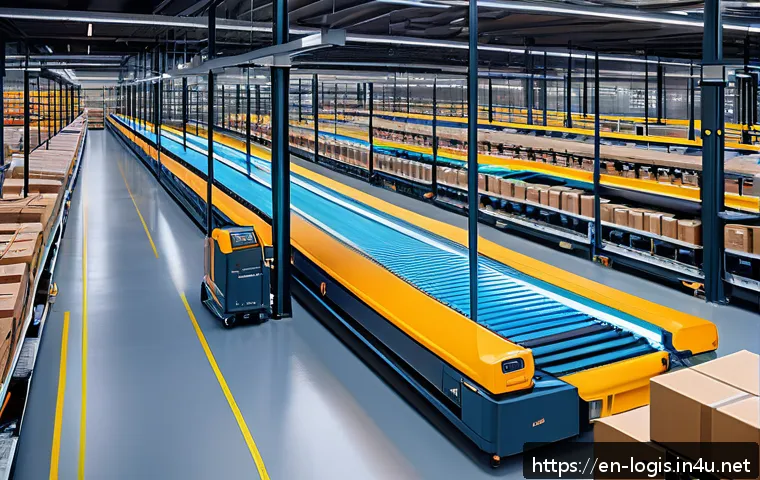
Let’s be honest, trying to run a cross-docking operation without robust technology in today’s world is like trying to navigate with a paper map when everyone else has GPS. It’s just not going to cut it. My experience, and pretty much every expert I’ve chatted with, points to Warehouse Management Systems (WMS) and Transport Management Systems (TMS) as absolute must-haves for real-time synchronization. These systems provide unparalleled visibility into inbound and outbound shipments, helping coordinate everything with incredible precision. And automation? It’s not just a buzzword; it’s a productivity superpower. Think robotic arms, automated conveyor belts, and AI-driven sorting systems that can process goods at lightning speed, drastically reducing manual errors and labor costs. I’ve seen firsthand how smart sorters can scan and route packages in mere seconds, transforming what used to be a human-intensive bottleneck into a seamless, high-speed flow. Investing in the right tech might seem like a big initial outlay, but the long-term gains in efficiency, accuracy, and ultimately, profitability, are undeniable. It truly gives you that edge, making the whole operation feel almost futuristic and certainly far more reliable.
| Feature | Cross-Docking | Traditional Warehousing |
|---|---|---|
| Storage Time | Minimal to none; direct transfer | Long-term storage (days, weeks, months) |
| Inventory Costs | Significantly reduced due to less storage | Higher due to space, insurance, and handling |
| Delivery Speed | Faster, optimized for rapid distribution | Slower, involves picking and packing from storage |
| Handling Frequency | Fewer touches, less risk of damage | More handling steps (put-away, retrieval, picking) |
| Space Requirements | Smaller facilities, optimized for flow | Larger facilities for inventory volume |
| Ideal For | Perishable goods, high-demand items, pre-sorted shipments | Stable inventory, seasonal demand, custom orders, large items |
| Flexibility | Requires precise coordination, less flexible for sudden changes | More flexible for demand fluctuations and long-term holding |
| Technology Reliance | High, for real-time tracking and coordination | Moderate, for inventory management and order processing |
Side-Stepping the Stumbling Blocks: Common Cross-Docking Challenges
The Coordination Conundrum
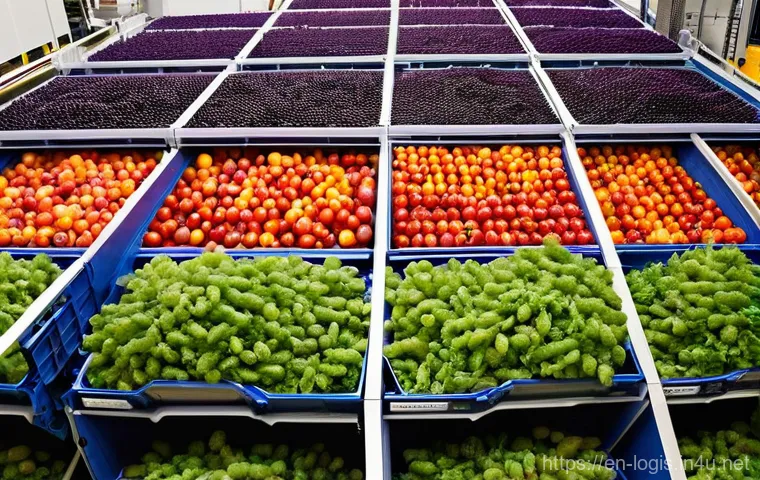
As much as I rave about cross-docking, I’d be doing you a disservice if I didn’t talk about the hurdles. One of the biggest challenges, and something I’ve seen trip up even the most organized teams, is the sheer complexity of coordination and timing. Seriously, it’s like trying to get a dozen different trains to arrive and depart from the same station precisely on schedule, all day, every day. You’ve got suppliers, transportation providers, and your own internal teams all needing to operate like a perfectly synchronized orchestra. A single delay from an inbound shipment can create a ripple effect, causing bottlenecks, idle trucks (which means idle money!), and frustrated customers waiting for their orders. It’s a high-stakes game where precise scheduling and real-time communication tools are absolutely crucial. Without those in place, the dream of efficiency can quickly turn into a logistical nightmare. It definitely adds a layer of pressure, but when you nail it, the satisfaction is immense.
Keeping Inventory in Check
Another area where I’ve seen businesses face unexpected difficulties is managing inventory accuracy within a cross-docking model. Because products are moving so swiftly, often with minimal handling, ensuring that everything is accounted for and sorted correctly can be a real headache. Unlike traditional warehousing where items sit, get scanned, and are placed into specific bins for a while, cross-docking is all about rapid flow. This means any inaccuracies or mislabeling can quickly lead to bigger problems down the line. It’s not just about avoiding “lost” items; it’s about maintaining trust in your system. I’ve heard stories where a misplaced pallet meant an entire outgoing truck was delayed, just because one item couldn’t be found or verified. This is where investing in top-notch technology, like robust WMS with real-time tracking and possibly even automated identification systems, becomes non-negotiable. It truly requires a vigilant eye and an unwavering commitment to data integrity to keep everything perfectly aligned. It’s a constant balancing act, but one that’s vital for success.
Real Talk: Who’s Crushing It with Cross-Docking?
Giants Like Walmart and Amazon
When I look at companies that have truly mastered the art of supply chain efficiency, giants like Walmart and Amazon immediately spring to mind, and cross-docking is a huge part of their secret sauce. Walmart, for instance, practically pioneered large-scale cross-docking in the 1980s, allowing them to rapidly restock stores and keep prices low. Their centralized distribution model, coupled with advanced inventory management systems, ensures that goods from suppliers are quickly moved to outbound trucks destined for specific stores, often with minimal storage time. It’s mind-boggling how they manage to keep so much inventory in motion! Amazon is another phenomenal example. Their commitment to lightning-fast delivery, like their Prime service, relies heavily on optimizing cross-docking. They use AI and predictive analytics to determine the quickest transfer points, making sure products get from receiving to dispatch almost immediately. I’ve always been so impressed by how seamlessly they integrate technology to achieve such incredible speed. It really shows that with the right strategy and tools, cross-docking can fuel massive scale and customer satisfaction.
Specialized Industries Leading the Way
It’s not just the retail behemoths making waves with cross-docking; I’ve seen it revolutionize operations in several specialized industries too. Take the pharmaceutical sector, for instance. Companies like Roche Diagnostics have embraced cross-docking to manage temperature-sensitive medications and perishable products, ensuring they reach their destinations within tight timeframes. The stakes are incredibly high here, so minimizing storage time is crucial for maintaining product integrity and patient safety. Another fantastic example is the food and beverage industry. Businesses like Grupo Eroski utilize cross-docking for fresh produce and expiration-dated goods, which require swift movement from farm to shelf to meet consumer demands and reduce waste. E-commerce businesses, especially those dealing with fashion or flash sales, also find it invaluable for getting the latest trends or promotional items to customers before the moment passes. From what I’ve gathered, these industries choose cross-docking not just for cost savings, but because it’s absolutely essential for the nature of their products and their customers’ expectations. It’s inspiring to see how tailored cross-docking strategies can make such a profound difference.
Beyond Today: The Future of Your Agile Supply Chain
AI and Robotics Taking the Wheel
Looking ahead, I can’t help but feel incredibly excited about the future of cross-docking, especially with the relentless march of technology. We’re already seeing artificial intelligence (AI) and robotics taking an increasingly central role, and let me tell you, it’s going to make our current systems look quaint. I’ve been following trends where AI is being used to predict demand surges, optimize routing in real-time, and even synchronize inbound and outbound shipments with a precision that humans simply can’t match. Imagine robotic arms and automated guided vehicles (AGVs) zipping around a cross-dock facility, handling sorting and transfers with incredible speed and accuracy, virtually eliminating manual errors and significantly reducing labor costs. This isn’t just about making things a little bit faster; it’s about unlocking entirely new levels of efficiency and resilience in our supply chains. It feels like we’re on the cusp of a true revolution, where technology empowers us to create logistics networks that are not just fast, but also incredibly smart and adaptable. The possibilities truly feel endless!
The Green Advantage
Something that truly resonates with me, and I know it does with many of you too, is the environmental impact of our business practices. The good news is that cross-docking isn’t just good for your bottom line; it’s also a surprisingly green logistics strategy. By minimizing or eliminating long-term storage, businesses inherently reduce their energy consumption – less need for massive warehouses that require constant heating, cooling, and lighting. But it goes beyond that. Cross-docking facilities, especially with the aid of smart transportation systems and optimized routes, can lead to fewer partially filled trucks on the road and shorter transit times, which directly translates to reduced fuel consumption and lower carbon emissions. I’ve seen companies like Unilever actively leverage cross-docking to meet their sustainability goals, minimizing their carbon footprint by moving products directly from suppliers to retailers. It’s a win-win: you save money, improve efficiency, and contribute to a healthier planet. As consumers become more conscious of environmental responsibility, adopting greener strategies like this not only feels right but also boosts your brand image. It’s a powerful way to do good while doing business, and that’s a trend I wholeheartedly support.
Wrapping Things Up
Whew! What a journey through the fascinating world of cross-docking. As someone deeply embedded in observing and experiencing efficient supply chains, I truly believe that embracing cross-docking isn’t just a trend; it’s a strategic imperative for businesses looking to thrive in today’s fast-paced market. It’s about more than just cutting costs or speeding up deliveries; it’s about building a resilient, responsive, and ultimately more profitable operation that delights your customers. I’ve seen firsthand how adopting this model, with careful planning and the right technology, can transform logistical headaches into seamless, competitive advantages. If you’ve been on the fence, I hope this deep dive has given you the clarity and confidence to explore how cross-docking could be the express lane your business needs. Trust me, once you experience the flow, you’ll wonder how you ever managed without it. It truly brings a sense of dynamic efficiency that resonates throughout your entire organization, enhancing both operational fluidity and customer loyalty.
Handy Tips for Your Cross-Docking Journey
Embarking on a cross-docking strategy can feel like a big leap, but with a few pointers, you can make the transition smoother and more impactful. From my experience, paying attention to these details can really make a difference, turning potential challenges into clear victories. It’s all about setting yourself up for success from the get-go, anticipating what might come next, and having the right tools in your arsenal to navigate the complexities. Think of these as your personal cheat sheet for mastering the art of the swift transfer, paving the way for a truly agile and responsive logistics network.
1. Start Small, Learn Fast: Don’t feel pressured to overhaul your entire supply chain overnight. Pilot a cross-docking program with a specific product line or a particular supplier. This allows you to fine-tune your processes, identify bottlenecks, and train your team without risking your whole operation. Think of it as a controlled experiment that lets you gather invaluable insights before scaling up, ensuring every step you take is a confident one. This measured approach minimizes disruption, helps refine your workflow, and builds internal expertise organically, fostering a culture of continuous improvement.
2. Invest in Communication Tech: Seriously, seamless communication is the backbone of any successful cross-docking setup. Look into integrated systems that allow real-time data sharing between your suppliers, carriers, and your own facility. Tools that provide immediate updates on shipment statuses are game-changers, helping you react quickly to any deviations and maintain that crucial flow. From my observations, delays often stem from information gaps, so closing those gaps is paramount for operational fluidity, preventing costly idle times and missed deadlines.
3. Don’t Skimp on Training: Your team is your greatest asset. Ensure everyone involved, from dock workers to management, understands the cross-docking process, their specific roles, and the importance of timing and accuracy. Well-trained personnel can spot potential issues before they escalate, ensuring goods keep moving efficiently and safely. Empowering your team with knowledge and skills not only boosts efficiency but also enhances job satisfaction, creating a more motivated workforce that is invested in the success of the operation.
4. Focus on Supplier Relationships: Cross-docking thrives on predictability and reliability from your suppliers. Work closely with them to ensure consistent labeling, accurate manifests, and on-time deliveries. A strong, collaborative relationship with your suppliers will significantly reduce unexpected hiccups at the dock, transforming potential friction points into seamless handoffs. Mutual understanding and shared goals are truly key here, building a partnership where both sides benefit from optimized efficiency.
5. Regularly Review and Optimize: The world of logistics is constantly evolving, and so should your cross-docking strategy. Periodically review your operations, analyze performance metrics like dwell times and error rates, and look for areas of improvement. Continuous optimization ensures your system remains agile, cost-effective, and competitive in the long run, adapting to market shifts and technological advancements with ease. This proactive stance keeps you ahead of the curve, allowing you to fine-tune processes and leverage new innovations for even greater efficiency.
Key Takeaways for an Agile Supply Chain
If there’s anything I hope you remember from our conversation about cross-docking, it’s that it’s a powerful lever for achieving true supply chain agility. We’ve seen how it can dramatically cut down on storage costs by keeping inventory in motion, rather than letting it sit idle, draining your budget with every passing day. Beyond the direct financial savings, the sheer speed it brings to your delivery process is unparalleled, consistently meeting and often exceeding today’s consumer expectations for rapid fulfillment. This isn’t just about faster delivery; it’s about boosting customer satisfaction and building enduring loyalty. But remember, achieving this kind of efficiency isn’t magic; it hinges on meticulous planning, a smart, purpose-built facility layout, and a robust investment in cutting-edge technology like advanced WMS and automation. It’s also critically about fostering strong, transparent relationships with your partners and maintaining crystal-clear communication throughout the entire process. While it undoubtedly comes with its own set of coordination complexities and inventory accuracy challenges, the overarching benefits of faster lead times, reduced handling, minimized waste, and a leaner operational footprint make it an invaluable, forward-thinking strategy for any business aiming to be truly future-proof. Embrace the flow, optimize your operations, and watch your logistics transform into a dynamic competitive advantage.
Frequently Asked Questions (FAQ) 📖
Q: What exactly is cross-docking, and how does it truly differ from keeping my goods in a traditional warehouse?
A: Oh, this is such a fantastic starting point! From what I’ve personally seen, the easiest way to picture cross-docking is to think of it like a very efficient pit stop at a race track.
Goods arrive on an inbound truck, they’re quickly sorted and moved across a facility – often within hours, sometimes even minutes – and then loaded directly onto an outbound truck, heading straight to their next destination or final customer.
The key here is minimal to no storage. Now, contrast that with a traditional warehouse, which I like to think of as more of a long-term parking garage or a cozy hotel for your inventory.
In a traditional setup, products arrive, they’re unloaded, meticulously cataloged, and then stored on shelves or in designated areas for days, weeks, or even months until an order comes in.
Then, someone has to go find them, pick them, pack them, and finally load them onto an outbound truck. The major difference? Speed and storage, my friends!
Cross-docking is all about keeping things moving, almost like a rapid transfer hub, significantly cutting down on storage time and the associated costs and labor.
Traditional warehousing, while absolutely essential for certain types of goods, embraces that storage period, providing a buffer and allowing for more complex inventory management over time.
It’s truly a game-changer for businesses where every second your product sits idle is money lost!
Q: Beyond just cutting costs, what are the real-world advantages that I can expect by implementing cross-docking in my operations?
A: That’s a brilliant question because while cost savings are definitely a huge draw – think drastically reduced storage fees, less inventory tied up, and lower labor for handling and storing – the benefits truly extend so much further!
First off, and this is a big one for customer loyalty, you get lightning-fast delivery times. I’ve seen businesses absolutely revolutionize their customer satisfaction because products are reaching their hands in days, sometimes even hours, instead of weeks.
Imagine the competitive edge that gives you, especially in our e-commerce driven world! This speed is especially critical for things like perishable goods, ensuring freshness and reducing spoilage, which is a massive win-win for everyone involved.
Then there’s the incredible supply chain optimization and flexibility. Cross-docking allows you to consolidate smaller shipments into full truckloads, making your transportation routes more efficient and even more eco-friendly by reducing emissions.
You can even choose the most efficient type of transportation for each leg of the journey. And when unexpected obstacles hit – think weather delays or traffic – cross-docking offers a certain agility to divert shipments and keep things moving, which is something traditional warehousing just can’t always match.
From my experience, this adaptability can save you a serious headache and a ton of money in the long run.
Q: While it sounds amazing, is cross-docking truly a fit for every type of business or product, or are there specific situations where it really shines?
A: I totally understand why you’d ask that! While cross-docking is a powerful tool, it’s definitely not a one-size-fits-all magic bullet. From my observations, it really shines brightest for certain types of products and business models.
It’s an absolute superstar for high-volume, fast-moving consumer goods with predictable demand. Think about your everyday essentials like groceries, popular retail items, or frequently replenished stock.
These products are constantly in demand, so keeping them moving quickly makes perfect sense. Perishable items like fresh produce, flowers, or certain pharmaceuticals are another prime example where speed is paramount to maintain quality and avoid waste.
E-commerce businesses, especially those dealing with many suppliers and needing rapid fulfillment, also find cross-docking invaluable for meeting those demanding customer expectations for quick shipping.
However, where it might not be the best fit are products that require long-term storage, have highly unpredictable demand, or need extensive customization or specialized handling.
If your inventory sits for months, or if every item needs a unique pick-and-pack process, a traditional warehouse with its dedicated storage and more flexible processing might still be your go-to.
The success of cross-docking truly hinges on meticulous planning, tight coordination with suppliers, and a reliable transportation network. But if your business aligns with those fast-paced, high-volume needs, then cross-docking could absolutely be the transformative strategy you’ve been looking for!