Hey everyone! It’s your go-to guide for navigating the ever-evolving world of trends, and today we’re diving into something that’s literally reshaping our cities: the incredible rise of urban logistics hubs.
Have you ever wondered how all those online orders magically appear at your doorstep so fast, especially with city traffic getting crazier by the day?
It’s a challenge that, frankly, seemed impossible just a few years ago. But innovative thinkers are tackling it head-on, transforming our urban landscapes with smart solutions that are making delivery faster, greener, and surprisingly efficient.
I’ve personally felt the difference, from getting my groceries delivered quicker to seeing fewer delivery trucks clogging up my local streets. It’s not just about speed anymore; it’s about sustainability, smart planning, and anticipating what we’ll all need next.
We’re talking about a complete overhaul of how goods move through our densely populated areas, adapting to our insatiable demand for instant gratification and a greener planet.
This isn’t just a fleeting trend; it’s the future of city living and commerce, and it’s happening right before our eyes. Let’s unpack the full story and discover what makes these urban powerhouses so crucial for our modern lives.
Decoding the Urban Delivery Puzzle
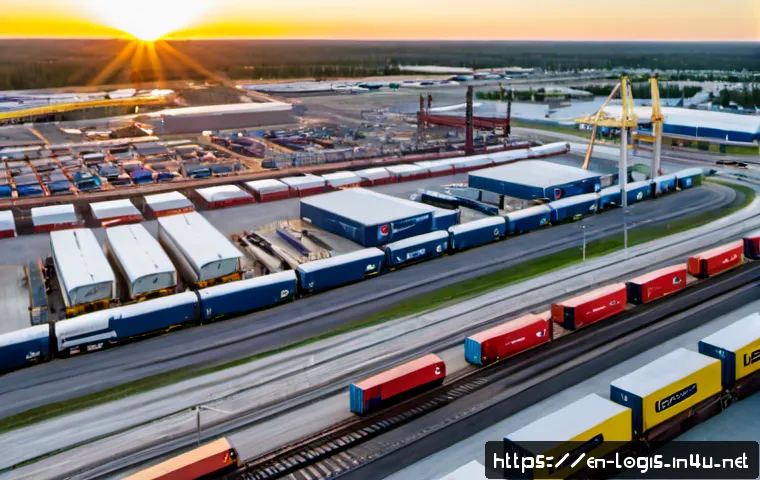
Honestly, who hasn’t felt that tiny thrill when a package arrives, sometimes even sooner than expected? But let’s be real, getting stuff delivered in our bustling cities has always been a logistical nightmare. I mean, think about it: narrow streets, constant traffic, parking woes, and the sheer volume of online orders. Just a few years ago, it felt like we were constantly at a crossroads, wondering how companies could possibly keep up with our growing demands without turning our downtowns into permanent gridlock. I vividly remember trying to get a new couch delivered to my tiny apartment in Brooklyn, and it was an absolute saga involving multiple phone calls, rescheduling, and a truck that practically blocked the entire street. It was frustrating for me, and I can only imagine what it was like for the delivery drivers and everyone else stuck behind them! This wasn’t just a minor inconvenience; it was a systemic issue that was starting to strain urban infrastructure and, frankly, our patience. But thankfully, the brightest minds in logistics weren’t just sitting around. They were envisioning a complete overhaul, a revolutionary approach to bringing goods closer to us without sacrificing efficiency or turning our streets into perpetual parking lots for delivery vans. And that’s exactly what these urban logistics hubs are doing, tackling these seemingly insurmountable challenges head-on.
The City’s Ever-Growing Appetite
Our online shopping habits have exploded, haven’t they? It’s almost become second nature to click and have almost anything we desire show up at our door. From groceries to gadgets, fashion to furniture, the digital marketplace has truly transformed how we consume. This convenience, while amazing for us, put immense pressure on traditional supply chains. Warehouses were often miles outside city limits, meaning every single item had to trek through dense urban areas, contributing to congestion and pollution. It was an unsustainable model, both environmentally and economically. We were essentially asking a system built for large-scale, infrequent deliveries to handle an endless stream of micro-deliveries, and it was cracking under the strain. This surge in demand wasn’t just a blip; it was a fundamental shift in consumer behavior that required an equally fundamental shift in how goods are moved.
The Bottleneck Breakdown
The biggest hurdle, as I saw it, was always that “last mile” – the final leg of a package’s journey from a distribution center to your doorstep. This is where costs skyrocket, efficiency plummets, and environmental impact peaks. Imagine a delivery van spending more time circling for parking or stuck in traffic than actually delivering packages. It’s a huge waste of resources! Traditional hubs were designed for bulk, not for individual parcels making their way through labyrinthine city streets. They simply weren’t equipped to handle the granular, on-demand nature of modern e-commerce. It was like trying to fit a square peg in a round hole, over and over again. Urban logistics hubs are essentially the round hole we desperately needed, designed specifically to address these “last mile” challenges head-on and smooth out those frustrating bottlenecks.
Bringing the Warehouse Closer: The Rise of Micro-Fulfillment
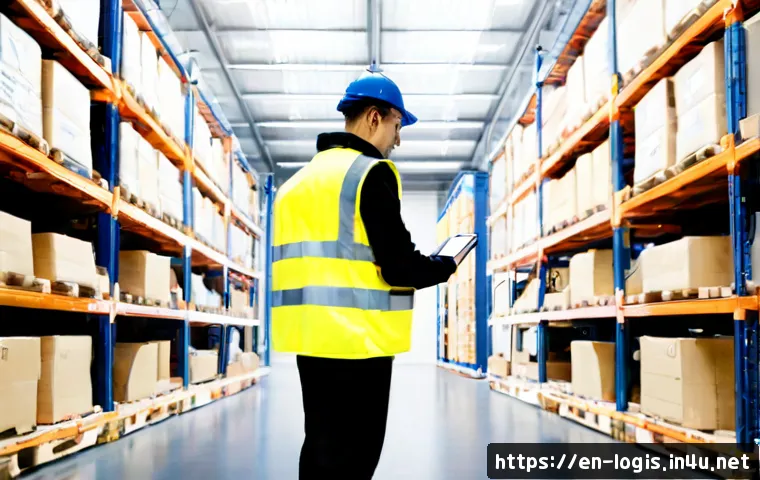
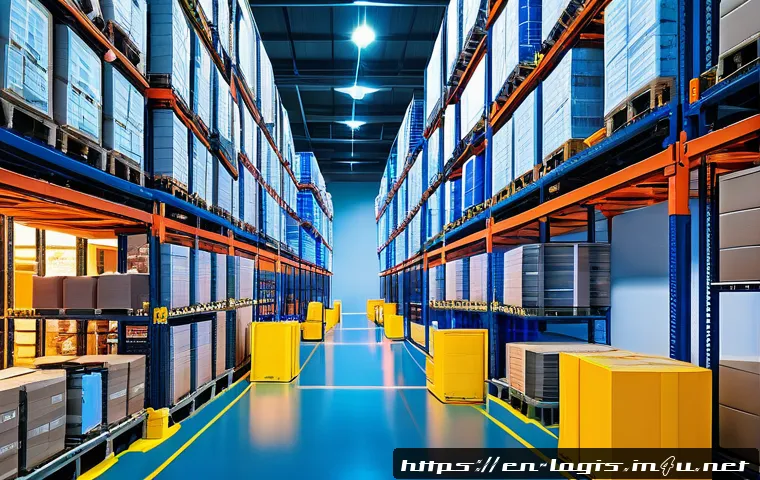
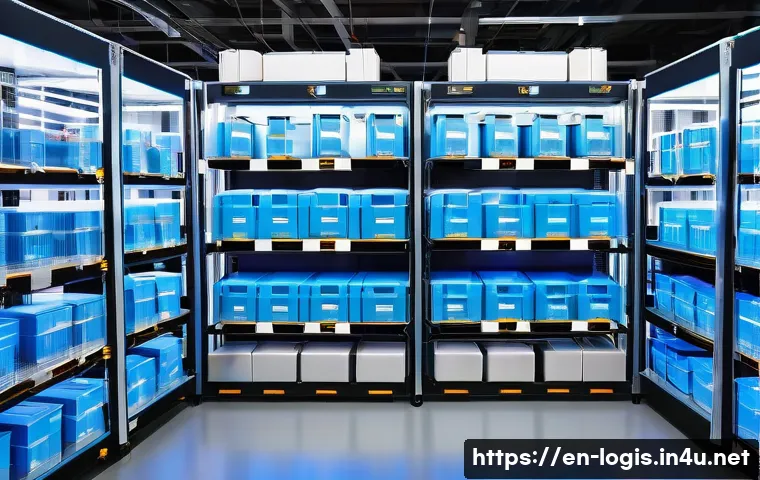
One of the most exciting shifts I’ve observed is how these hubs are literally shrinking the distance between goods and consumers. Gone are the days when a massive fulfillment center miles out of town was the only option. Now, we’re seeing the strategic placement of smaller, more agile facilities right within or on the immediate outskirts of our urban centers. These aren’t just glorified storage units; they’re technologically advanced powerhouses, often referred to as micro-fulfillment centers. I’ve heard some people jokingly call them “mini-warehouses on steroids,” and honestly, it’s not far from the truth! These facilities leverage automation and smart inventory management to process orders at lightning speed. It’s truly revolutionary when you think about it – instead of a package traveling across an entire state to get to you, it might only be coming from a few neighborhoods away. This hyper-local approach drastically cuts down delivery times, allowing for same-day or even same-hour delivery options that used to feel like pure science fiction. It’s a game-changer, not just for businesses trying to meet demand, but for us, the consumers, who increasingly expect instant gratification.
Rethinking Urban Real Estate
This trend has also sparked a fascinating conversation about urban real estate. Suddenly, those seemingly forgotten industrial plots, old shopping malls, or even ground floors of apartment buildings are being reimagined as prime locations for these hubs. It’s about maximizing existing infrastructure and intelligently repurposing space to serve a new, critical function. Landlords and city planners are finding creative ways to integrate these facilities without disrupting the urban fabric. I’ve seen examples where the exterior remains unassuming, blending into the surrounding architecture, while inside, it’s a hive of automated activity. It’s a testament to innovative thinking, where practical needs are meeting sustainable urban development. This adaptive reuse not only helps businesses thrive but also breathes new life into underutilized areas, contributing to a more dynamic urban environment.
The Power of Proximity
The core philosophy behind these micro-fulfillment centers is simple: proximity. By being closer to the customer, they dramatically reduce the “last-mile” problem I mentioned earlier. This isn’t just about speed; it’s about efficiency and cost-effectiveness. Fewer miles mean less fuel consumed, fewer vehicles on the road, and ultimately, lower operational costs for businesses. For me, as someone who lives in a busy city, it translates to less traffic congestion and a quieter neighborhood. It also means less carbon emissions, which is a huge win for everyone. I’ve noticed a significant reduction in the number of large, diesel-guzzling trucks rumbling down my street, replaced by smaller, quieter electric vans or even cargo bikes. It truly feels like a tangible step towards a greener, more livable city.
The Tech Behind the Magic: Smart Logistics Innovations
If you ask me, the secret sauce behind the efficiency of modern urban logistics hubs isn’t just their location, it’s the incredible technology humming beneath the surface. We’re talking about a symphony of cutting-edge innovations working together to streamline every step of the delivery process. From the moment you click “order” to the second your package lands on your doorstep, intelligent systems are at play, optimizing routes, managing inventory, and even predicting demand. I’m endlessly fascinated by how far we’ve come from simple spreadsheets and paper manifests. Today, it’s all about real-time data, AI-driven analytics, and sophisticated automation that makes the seemingly impossible, possible. I recently visited a small-scale hub that utilized robotic arms for sorting and a dynamic routing system that updated delivery paths based on live traffic data – it felt like stepping into a futuristic movie! This isn’t just about cool gadgets; it’s about creating a hyper-efficient ecosystem that saves time, reduces errors, and ultimately delivers a better experience for everyone involved.
AI and Predictive Analytics
Think about artificial intelligence as the brain of these operations. AI algorithms are constantly crunching vast amounts of data – everything from historical sales trends and seasonal peaks to real-time weather forecasts and local events. This allows hubs to anticipate demand with remarkable accuracy, ensuring that popular items are always in stock and strategically placed for rapid retrieval. I’ve personally seen how this predictive power can prevent frustrating “out of stock” messages and help companies avoid overstocking, which is a win-win for both consumers and the environment. This intelligent forecasting minimizes waste and maximizes efficiency, making the entire supply chain incredibly responsive. It’s truly remarkable how a machine can learn and adapt to our shopping behaviors, making our lives that much smoother.
Automation and Robotics in Action
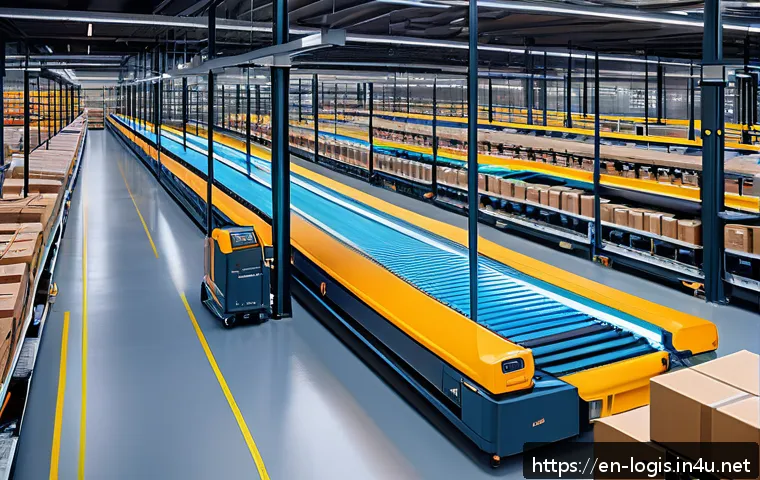
Beyond the brains, there’s also the brawn: automation and robotics. Within these hubs, you’ll find everything from automated storage and retrieval systems (AS/RS) that quickly locate and move items, to robotic sorters that direct packages to the correct outbound routes. This isn’t about replacing human workers entirely, but rather augmenting their capabilities and freeing them up for more complex tasks that require human judgment. I often hear people worry about robots taking jobs, but what I’ve witnessed is robots handling the repetitive, heavy lifting, allowing human staff to focus on customer service, specialized packing, or managing the overall system. It creates a safer, more productive work environment. It’s pretty cool to see a robot zip around, grabbing an item in seconds, knowing that it’s all part of making your delivery faster and more reliable.
Greener Miles: Sustainability at the Forefront
Let’s talk about something incredibly important that often gets overlooked in the rush for speed: sustainability. For me, it’s not just about getting my package quickly; it’s about knowing that it arrived in a way that’s as kind to the planet as possible. Urban logistics hubs are playing a massive role in revolutionizing how goods move through our cities, pushing us towards a much greener future. The shift from a single, massive warehouse far away to multiple, smaller hubs closer to us inherently reduces the distances vehicles need to travel. This means less fuel consumption, lower carbon emissions, and cleaner air for everyone in urban areas. I’ve personally felt the difference, noticing fewer noisy, polluting delivery trucks and more electric vans and even cargo bikes zipping around. It’s a tangible improvement in our daily environment and something I genuinely appreciate as a city dweller. These hubs aren’t just efficient; they’re environmentally conscious, integrating a variety of sustainable practices that truly make a difference.
Optimizing Routes for Eco-Friendliness
One of the most impactful changes I’ve seen is the intense focus on route optimization. Forget haphazard delivery paths; today’s logistics companies are using sophisticated algorithms to plan the most efficient routes possible, minimizing both distance and fuel usage. This means fewer empty runs, fewer detours, and less time spent idling in traffic. I’ve heard some drivers talk about how their routes are almost perfectly choreographed now, allowing them to make more deliveries in less time, all while using less gas. It’s a smart approach that benefits everyone – the companies save money, the drivers are more efficient, and our planet gets a much-needed break from unnecessary emissions. It’s a practical application of technology that truly makes a difference in our carbon footprint.
The Shift to Electric and Alternative Vehicles
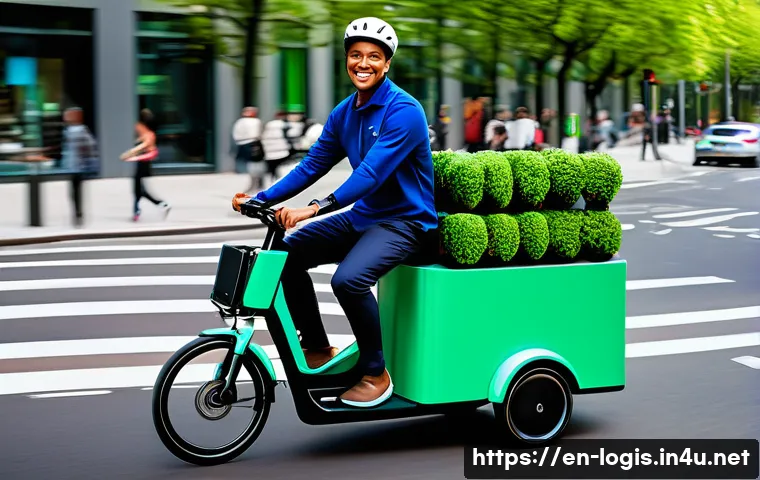
Alongside smarter routing, there’s a huge push towards electric and alternative fuel vehicles. Many urban logistics hubs are strategically located to allow for the deployment of electric vans, cargo bikes, and even drones for short-distance deliveries. These vehicles produce zero tailpipe emissions, significantly improving urban air quality. I’ve seen electric cargo bikes weaving through pedestrian zones in my city, delivering smaller packages quietly and efficiently – it’s a wonderful sight! Companies are investing heavily in charging infrastructure at these hubs, making the transition to electric fleets not just a dream, but a reality. This commitment to cleaner transportation methods is a huge step forward in creating more livable, healthier cities for us all. It really shows that convenience and environmental responsibility don’t have to be mutually exclusive.
Here’s a quick look at how traditional logistics compare to these modern, sustainable urban hubs:
| Feature | Traditional Logistics (Pre-Hub Era) | Modern Urban Logistics Hubs |
|---|---|---|
| Warehouse Location | Typically far from city centers | Within or on the immediate outskirts of cities |
| Last-Mile Efficiency | High fuel consumption, congestion, long delivery times | Reduced travel distance, optimized routes, faster delivery |
| Environmental Impact | Higher carbon emissions, more air pollution | Lower emissions, increased use of electric/alternative vehicles |
| Delivery Speed | Standard 2-5 day delivery | Same-day, next-day, or even same-hour options |
| Urban Traffic Impact | Increased large truck traffic, congestion | Reduced large truck traffic, more compact/electric vehicles |
Beyond the Package: How Hubs Reshape Our Cities
You know, it’s easy to just focus on the immediate benefit of getting our packages faster, but I’ve been thinking a lot about the broader impact these urban logistics hubs are having on our cities. It’s truly more than just a delivery network; it’s a fundamental shift in how urban spaces are utilized and how communities interact with commerce. These hubs are subtly but profoundly influencing everything from traffic patterns and noise levels to real estate values and even job markets. I’ve noticed a distinct change in the rhythm of my neighborhood since a smaller sorting facility opened up a few blocks away. There’s less big-truck traffic during peak hours, and more smaller, quieter vehicles circulating, which has made walking around feel much more pleasant. It’s exciting to consider how these logistical innovations are contributing to the ongoing evolution of urban planning, making our cities smarter and more resilient to the demands of modern life. They are essentially becoming vital arteries that keep the urban economy flowing, almost like the hidden infrastructure that supports our increasingly digital lifestyles.
Reducing Congestion and Noise
One of the most immediate and appreciated benefits I’ve personally experienced is the reduction in urban congestion and noise pollution. By decentralizing distribution and processing orders closer to their final destination, fewer large, noisy trucks need to traverse congested downtown areas. Instead, these massive vehicles offload their cargo at the strategically placed hubs, where smaller, often electric, vehicles take over for the “last mile.” This multi-modal approach significantly reduces the sheer volume of heavy traffic that used to plague our city streets. I used to dread the constant rumble of delivery trucks outside my window, especially early in the morning. Now, it’s noticeably quieter, and that alone has improved my quality of life. It creates a calmer, more pedestrian-friendly environment, which is something every city dweller can appreciate.
Catalyst for Local Economic Growth
It’s not just about quieter streets; these hubs are also becoming unexpected catalysts for local economic growth. The establishment and operation of these advanced facilities create new jobs – from logistics managers and technicians to delivery drivers and customer service representatives. Many of these roles are highly skilled, requiring expertise in automation, data analysis, and sophisticated supply chain management. Furthermore, the increased efficiency of local deliveries can empower small businesses within the city to compete more effectively with larger online retailers, as they can offer faster, more reliable shipping options to their local customer base. I’ve seen several local shops leverage these hub networks to expand their online presence, which is fantastic for supporting our community. It’s exciting to see how intelligent logistics can fuel local entrepreneurship and contribute to a vibrant urban economy.
Navigating the Urban Maze: Overcoming Challenges
While the rise of urban logistics hubs is undeniably a game-changer, let’s be real – it hasn’t been without its hurdles. Integrating these sophisticated operations into already densely packed urban environments presents a unique set of challenges that require incredibly creative and adaptive solutions. I mean, finding suitable real estate in a city where every square foot is at a premium is like trying to find a needle in a haystack, or worse, trying to fit a jumbo jet into a bicycle parking spot! But this is where human ingenuity truly shines. We’re seeing architects, urban planners, and logistics experts collaborate in ways that were unimaginable just a decade ago, finding innovative ways to make these hubs work within the existing urban fabric. It’s a testament to how determined we are to make our cities both efficient and livable. These aren’t just logistical problems; they’re spatial, social, and economic puzzles that demand a holistic approach to solve.
Finding Space in a Crowded City
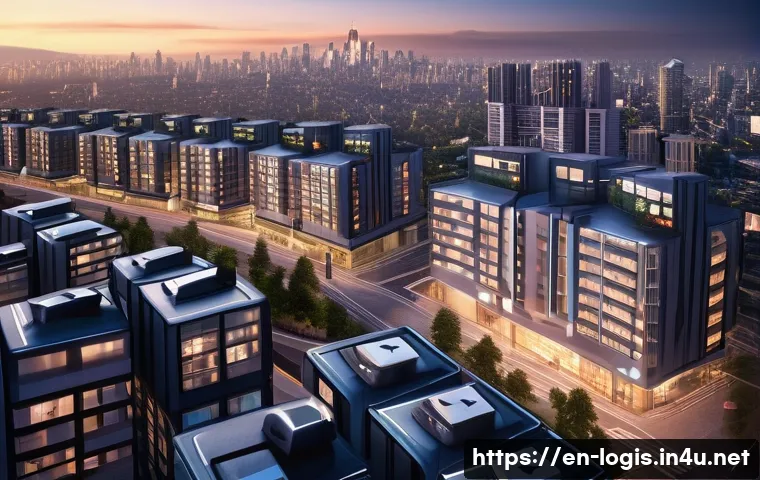
The most obvious challenge, as I mentioned, is simply finding the physical space. Cities aren’t designed with massive logistics centers in mind. This has led to incredibly inventive solutions, such as repurposing abandoned retail spaces, converting multi-story car parks, or even building underground facilities. I recently read about a plan in a major European city to build a logistics hub beneath a public park, designed to be completely invisible from the surface – now that’s thinking outside the box, or rather, underground! These solutions often involve complex negotiations with city councils and communities, addressing concerns about traffic, noise, and visual impact. It takes a delicate balance of innovation, diplomacy, and community engagement to bring these projects to fruition. It’s not just about finding a plot of land; it’s about making it work for everyone.
The Human Element: Labor and Training
Another significant challenge lies in the human element. While automation plays a huge role, these hubs still require a skilled workforce. There’s a growing need for trained personnel who can operate and maintain complex robotic systems, manage sophisticated software, and handle the intricacies of urban delivery. This means investing in new training programs and upskilling existing workers to adapt to these evolving roles. I’ve spoken with many people who initially worried about job displacement due to automation, but what they’ve found is a shift towards more specialized, technically oriented positions. It’s less about brute force and more about brainpower and precision. Ensuring a smooth transition for the workforce and developing the talent pipeline for these new roles is crucial for the long-term success and social acceptance of urban logistics hubs. It’s about ensuring that as technology advances, people can advance with it.
Your Package, Faster: The Consumer Experience Enhanced
Let’s get down to what truly matters for many of us, the end-users: how do these urban logistics hubs actually make our lives better? From my perspective, and I’m sure yours too, the biggest win is simply the incredible boost in convenience and speed. Remember when getting something delivered in 2-3 business days was considered fast? Now, same-day delivery feels almost standard, and sometimes, if you’re lucky, even within an hour or two! It’s like magic, truly. This dramatic reduction in delivery times isn’t just a luxury; it’s becoming an expectation, and these hubs are the engines driving that change. I’ve found myself relying more and more on quick deliveries, especially for last-minute essentials or when I just can’t make it to the store. It has fundamentally reshaped how I think about shopping and accessing goods, making my busy life just a little bit easier. It’s a tangible improvement in our daily lives, giving us back precious time and peace of mind.
Unprecedented Delivery Speed and Reliability
The core promise of urban logistics hubs is speed, and they deliver on it spectacularly. By bringing inventory closer to customers and utilizing optimized routing and automated processing, they cut down transit times dramatically. This means you can order something in the morning and potentially have it before lunch. Beyond speed, there’s also a significant increase in reliability. With fewer variables in the “last mile” journey, packages are less likely to get lost or delayed. I’ve personally noticed a marked improvement in the accuracy of delivery estimates; gone are the days of vague delivery windows stretching across an entire day. Now, I often get precise tracking that shows my package moving in real-time, giving me much more control and less anxiety about when my order will arrive. This level of precision and dependability builds immense trust in the entire e-commerce ecosystem.
More Flexible Delivery Options
It’s not just about speed; it’s also about choice. Urban logistics hubs enable a wider array of delivery options that cater to our diverse lifestyles. Think about it: scheduled deliveries to fit your busy schedule, locker pickups for added security and flexibility, or even concierge services that bring your items directly to your apartment door. This flexibility is a huge convenience, especially for those of us with unpredictable work hours or who live in buildings without secure package rooms. I often use a locker pickup service near my gym, which means I can grab my order on my way home without worrying about it sitting on my doorstep all day. These options empower us to choose how and when we receive our goods, making the entire experience far more personalized and user-friendly. It truly puts the power of convenience back into the consumer’s hands.
What’s Next? The Evolving Future of City Logistics
Okay, so we’ve talked about where we are, but what about tomorrow? Honestly, the future of urban logistics is probably one of the most dynamic and exciting spaces to watch. What we’re seeing today with these hubs is just the beginning. I’m constantly amazed by the pace of innovation, and I firmly believe that the next few years will bring even more groundbreaking solutions that will further integrate logistics seamlessly into our urban fabric. We’re on the cusp of truly smart cities where the movement of goods is almost invisible, effortlessly supporting our lives without causing disruption. It’s a thrilling prospect to imagine a city where every delivery is optimized for speed, sustainability, and minimal impact. The creative minds in this field aren’t slowing down, and neither should we in anticipating the incredible transformations yet to come. It’s not just about improving what exists; it’s about reimagining the very possibility of urban commerce.
Drones and Autonomous Vehicles
One of the most talked-about advancements, and one I’m personally super excited about, is the integration of drones and autonomous delivery vehicles. Imagine small, electric drones quietly ferrying light packages directly to your balcony or a designated rooftop landing pad. Or self-driving bots navigating sidewalks to bring your groceries to your door. While there are still regulatory and safety hurdles to overcome, the technology is rapidly advancing. I’ve seen pilot programs in certain cities that are showing incredibly promising results, especially for smaller, urgent deliveries in less congested areas. These innovations have the potential to further reduce congestion, lower emissions, and provide even faster delivery times for specific types of goods. It feels like something straight out of a sci-fi movie, but it’s quickly becoming a very real possibility, and it will fundamentally change how we receive things.
Hyper-Connected and Integrated Systems
Beyond the vehicles themselves, the future also points to hyper-connected and fully integrated logistics systems. Picture a city where every delivery vehicle, every hub, and even every smart parcel locker is constantly communicating, sharing data in real-time to create an almost flawlessly orchestrated network. This level of integration would allow for predictive maintenance of vehicles, dynamic rerouting to avoid unexpected obstacles, and even personalized delivery experiences that adapt to your immediate needs. I believe we’ll see an evolution towards “logistics-as-a-service,” where companies can tap into a shared, intelligent infrastructure to move their goods with unparalleled efficiency. It’s about building a truly smart city, where the flow of goods is as intelligent and adaptive as the flow of information. This isn’t just about faster deliveries; it’s about a smarter, more responsive urban ecosystem for everyone.
글을 마치며
Well, friends, that was quite a journey into the world of urban logistics, wasn’t it? It’s truly incredible to see how innovation is reshaping our cities, making them smarter, faster, and much more sustainable. What started as a challenge has blossomed into a sophisticated network that not only gets our packages to us quicker but also improves the very fabric of urban life. I personally feel a sense of optimism when I look at these advancements, knowing that our daily conveniences are becoming increasingly efficient and environmentally conscious. So, next time that package arrives, take a moment to appreciate the silent symphony of technology and human effort that made it possible – it’s a tiny miracle unfolding right on your doorstep!
알아두면 쓸모 있는 정보
1. Keep an eye on delivery options: Many companies are now offering hyper-specific delivery windows or even options to pick up at secure lockers. I’ve found this incredibly useful for managing my busy schedule, ensuring I never miss a package or have to worry about it sitting outside.
2. Consider the ‘green’ choice: When given the option, look for delivery services that emphasize electric vehicles or consolidated deliveries. Every little bit helps reduce your city’s carbon footprint, and you’d be surprised how many businesses are now making this a priority.
3. Leverage tracking apps: Forget constantly refreshing your browser. Most major carriers have fantastic apps that provide real-time updates and notifications, giving you peace of mind and letting you plan your day around expected arrivals. I swear by mine – it’s a lifesaver!
4. Support local businesses with faster shipping: Urban logistics hubs aren’t just for the big players. Many local businesses are integrating with these networks to offer competitive delivery speeds, helping them thrive in the digital age. It’s a great way to shop small without sacrificing convenience.
5. Understand peak times: Just like traffic, deliveries have peak times. If you have flexibility, ordering outside of major sales events or early in the week can sometimes lead to even faster delivery or more available slots. It’s a small trick I’ve learned that often pays off.
중요 사항 정리
To sum it all up, urban logistics hubs are redefining urban living. They’re solving the ‘last mile’ problem, dramatically speeding up deliveries, and doing it all with a keen eye on sustainability. From AI-driven optimization to electric vehicles and micro-fulfillment centers, these innovations are making our cities more efficient, quieter, and cleaner. This isn’t just about faster parcels; it’s about building smarter, more resilient communities where convenience and environmental responsibility go hand in hand. The future of city life is truly arriving right at our doorsteps, one perfectly optimized delivery at a time.
Frequently Asked Questions (FAQ) 📖
Q: What exactly are these “urban logistics hubs” and why are they suddenly such a big deal?
A: Okay, so imagine the traditional idea of a massive warehouse way out in the sticks, right? Urban logistics hubs are kind of the opposite, or at least a super-smart evolution of that!
Think of them as smaller, strategic mini-warehouses or distribution centers that are nestled inside or really close to our bustling cities. My personal take is that they’re a total game-changer because they’re designed to tackle the “last mile” problem – that tricky, often slow and expensive final leg of delivery from a big distribution center to your doorstep.
They’re not just about storage; they’re multifunctional powerhouses that consolidate goods from larger trucks coming from outside the city, then redistribute them using smaller, often eco-friendly vehicles like electric vans, cargo bikes, or even autonomous robots.
This isn’t just about speed, though that’s a huge perk! It’s also about optimizing urban space, reducing traffic congestion, and seriously cutting down on noise and pollution.
I’ve seen some of these pop up in repurposed buildings or even as multi-story facilities, which is just brilliant when city space is such a premium. It’s about being nimble and smart in a crowded world, and honestly, it feels like they’re finally catching up to our “I want it now!” culture!
Q: How do urban logistics hubs actually make deliveries faster and more sustainable for us city dwellers?
A: This is where the real genius kicks in, and it’s something I absolutely adore about this trend! First off, by bringing the goods closer to us, these hubs drastically slash the distance delivery vehicles need to travel for that “last mile”.
Less distance means less time stuck in traffic, faster delivery windows, and yes, even same-day or next-day options becoming the norm. I mean, who hasn’t felt that thrill of getting something delivered almost instantly?
But beyond just speed, the sustainability aspect is huge, and it’s something I’m really passionate about. Because the hubs are closer, delivery companies can switch from big, gas-guzzling trucks to smaller, zero-emission alternatives like electric vehicles, e-cargo bikes, or even on-foot couriers for those super-local drops.
I’ve personally noticed a real difference in air quality and reduced noise pollution in my neighborhood, and it’s such a relief. Plus, many hubs are embracing smart tech like AI-powered route optimization, which means fewer wasted trips and more efficient delivery paths, saving fuel and reducing emissions even further.
It’s a win-win: quicker deliveries for us and a healthier, less congested city for everyone. This shift truly aligns with our desire for convenience without sacrificing our planet – it’s a brilliant balance!
Q: What does the future hold for urban logistics hubs, and how might they continue to shape our daily lives?
A: Oh, the future of these hubs is absolutely buzzing with potential, and frankly, it excites me beyond words! We’re only just scratching the surface here.
I predict we’ll see even greater integration of cutting-edge technologies. Think AI and big data becoming even more sophisticated in predicting demand, optimizing routes in real-time based on traffic and weather, and making the whole supply chain super transparent.
Imagine knowing exactly when your package will arrive, down to the minute, because the system is that smart! We’re also going to see an expansion of sustainable delivery options.
More electric and autonomous vehicles, more cargo bikes weaving through dedicated lanes, and even more creative solutions like drone deliveries for specific scenarios – though let’s be honest, city skies might look a bit different then!
I also believe these hubs will become more mixed-use. We might see them combined with charging stations for electric fleets, rest areas for drivers, or even integrated into shopping centers or underutilized urban spaces, like converting old department stores into parcel centers.
This repurposing of urban real estate is incredibly smart. Ultimately, these hubs are evolving to make our cities even more livable, by reducing congestion, lowering emissions, and giving us the fast, reliable access to goods we’ve come to expect.
It’s not just about getting our stuff; it’s about building smarter, greener, and more efficient urban environments for all of us.