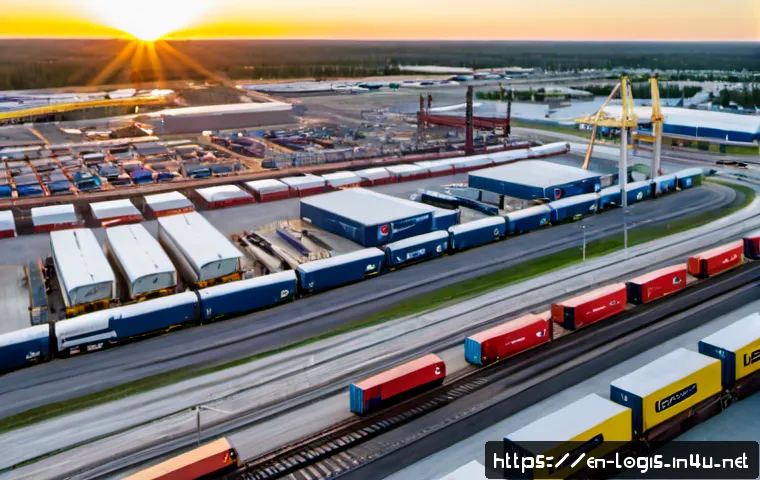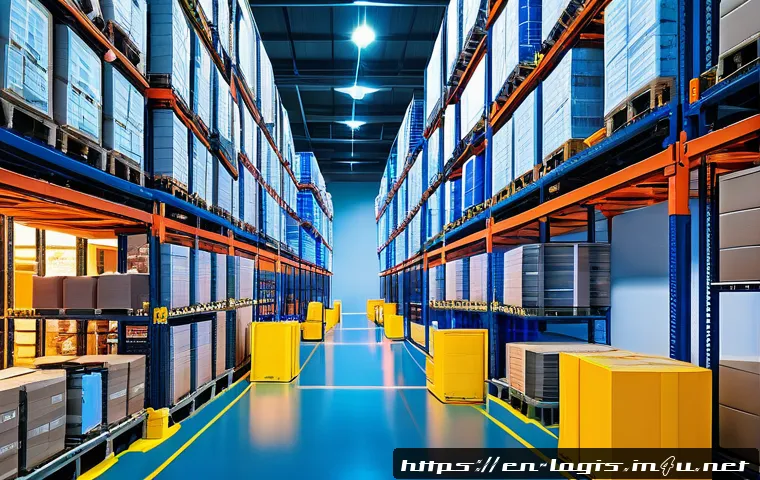
Automation, a 3PL, or a hybrid fulfillment network is worth evaluating when your current operation struggles with order flow, inventory visibility, shipping coverage, or returns.
The right choice depends less on a single headline rate and more on your order volume, SKU mix, service needs, facility constraints, and integration quality.
For many ecommerce businesses, a 3PL quote is a practical way to compare outsourcing before committing to more warehouse space or labor. Automation can improve warehouse workflows, but it should follow process mapping and reliable data rather than replace them.
Businesses comparing fulfillment software, robotics, and enterprise logistics providers should focus on total operating cost and customer experience together.
A clear comparison framework helps prevent expensive commitments based on incomplete pricing.
At a Glance
- Automation can range from barcode scanning and conveyors to robotics, storage systems, and packaging equipment.
- 3PL pricing often combines receiving, storage, pick-and-pack, packaging, shipping, and returns fees.
- Distributed fulfillment can become more valuable when faster delivery expectations require inventory closer to customers.
| Fulfillment Model | Best Evaluation Focus | Main Advantage | Key Watchpoint |
|---|---|---|---|
| In-house warehouse | Control, process design, labor activity, facility capacity | Direct control over operations and customer experience | Internal labor, space, systems, and peak-demand planning |
| Traditional 3PL | Fee structure, service scope, shipping options, returns handling | External warehouse capacity without operating every task internally | Fees can be spread across several billing categories |
| Tech-enabled 3PL | Inventory reporting, integrations, order visibility, network coverage | Potentially stronger system connectivity and operational visibility | Integration limits and service-level details still require review |
| Automated fulfillment center | Order profile, SKU mix, layout, labor availability, data quality | Technology can support repeatable warehouse workflows | Value depends on implementation quality and actual operating conditions |
What Will Change Most in Order Fulfillment?
The largest change is not simply faster picking. It is the closer connection between inventory accuracy, order status, warehouse workflows, shipping decisions, and returns processing. Ecommerce fulfillment includes receiving inventory, storage, picking, packing, shipping, returns, and inventory reporting. When one part is weak, the customer experience and total fulfillment cost can both suffer.
Automation Will Support People, Not Simply Replace Warehouse Teams
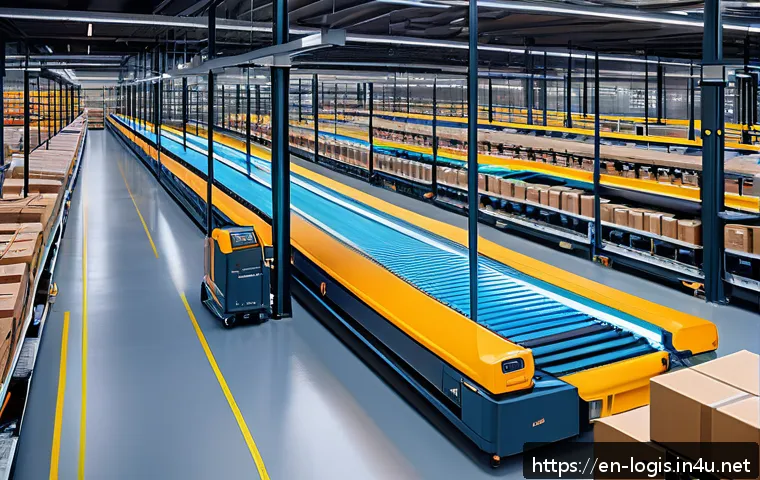
Warehouse automation covers a wide range of tools. Barcode scanning, conveyor systems, packaging equipment, autonomous mobile robots, and automated storage systems can each support a different part of the fulfillment process. The practical question is not whether a business should “use robotics,” but where repeated work, exceptions, congestion, or accuracy issues are occurring.
Order volume, SKU mix, labor availability, facility layout, and integration quality all affect whether automation is useful. A workflow with frequent product changes or unusual packing requirements may need a different solution than a high-volume workflow with predictable handling steps. Map the current process before comparing warehouse automation vendors or equipment options.
Inventory Visibility and Fulfillment Speed Will Become More Connected
Fast delivery depends on more than carrier selection. A business must know where inventory is located, whether it is available to promise, whether an order has an exception, and whether the correct warehouse can fulfill it. A warehouse management system can help track inventory locations, order status, labor activity, and fulfillment exceptions.
For multichannel sellers, fulfillment software and order management integrations deserve careful review. Inventory reporting that is delayed, incomplete, or disconnected from sales channels can create avoidable stock issues. Before adding more locations or automation, confirm that product data, inventory counts, and order-routing rules are dependable.
Flexible Networks Can Matter More Than One Large Warehouse
Faster delivery expectations can increase the operational value of distributed inventory and multiple fulfillment locations. A flexible 3PL network may be relevant when a brand serves customers across broad shipping zones or needs capacity beyond one facility. However, more locations also require stronger inventory allocation and reporting discipline.
Do not assume that a larger network automatically produces a better outcome. Compare where orders are going, how inventory would be split, how returns would be handled, and what service levels are actually available for your product type.
Comparing In-House Operations, 3PL Providers, and Automated Warehouses
The best fulfillment model is usually the one that matches the business’s operating reality. Compare control, scalability, cost visibility, integration needs, and customer experience rather than treating any single option as universally cheaper.
Control, Scalability, Cost Visibility, and Customer Experience
An in-house operation gives a business direct control over receiving, packing standards, inventory handling, and customer-facing details. It also means the business must manage facility space, warehouse labor, processes, software, and demand fluctuations. A 3PL can provide outside capacity, but the service agreement and operational reporting become especially important.
Tech-enabled 3PL providers may offer stronger fulfillment software connections or real-time inventory visibility. Still, review how orders, exceptions, returns, and inventory adjustments are reported. A polished dashboard is useful only when the underlying fulfillment process is reliable.
When a 3PL Quote May Be More Useful Than Expanding Internal Space
A 3PL quote can be useful when a brand is considering a larger warehouse, adding internal staff, entering additional shipping zones, or dealing with variable order volume. It creates a comparison point for outsourced receiving, storage, pick-and-pack, shipping, and returns processing.
Request pricing using a realistic order profile rather than a generic estimate. Include typical products, SKU count, packaging needs, shipping destinations, return patterns, and expected seasonal changes. This makes enterprise logistics provider comparison more practical and reduces the chance of comparing incomplete scopes.
Which Fulfillment Costs Should Be Compared Beyond the Headline Rate
Do not compare only a quoted pick-and-pack charge. Third-party logistics providers may charge through combinations of receiving fees, storage fees, pick-and-pack fees, packaging fees, shipping fees, and returns fees. The fee structure may also contain minimum monthly fees, peak-season surcharges, storage aging fees, or integration-related limits.
Returns deserve special attention. Returns handling can affect fulfillment cost, inventory accuracy, customer satisfaction, and resale recovery. Ask what happens after a returned item arrives: how it is inspected, reported, returned to inventory, separated, or otherwise processed.
Technology Investments That May Shape Warehouse Performance
Technology can support better warehouse performance when it solves a clearly defined operating problem. The strongest starting point is often visibility and process control, not the most advanced equipment available.
Warehouse Management Systems, Order Management Systems, and Integrations
A warehouse management system can support location tracking, order status updates, labor activity monitoring, and exception management. An order management system may help coordinate orders across channels and fulfillment locations. Their value depends on whether product data, inventory data, and order rules are accurately maintained.
When reviewing fulfillment software, ask which sales channels, carriers, and warehouse processes are supported. Also ask how exceptions are identified and how inventory adjustments appear in reporting. Integration quality can determine whether a system improves daily decisions or merely adds another screen.
Robotics, Scanning, Smart Packaging, and Exception Management
Robotics and automated storage may support certain warehouse flows, while scanning can help strengthen routine inventory and order handling. Packaging equipment may assist with repetitive packing steps. These technologies are not interchangeable, so each should be evaluated against the specific constraint it is meant to address.
Exception management should be part of the evaluation. Orders with missing inventory, address issues, unusual packaging requirements, or returns-related questions still need clear handling. Automation works best when the business knows how normal work and exceptions should move through the facility.
Data Quality and Process Design Before Automation Spending

Before committing to warehouse automation, document the path from receiving through storage, picking, packing, shipping, and returns. Identify where information is missing, where inventory adjustments occur, and where employees need to make manual decisions. This review can reveal whether the first investment should be process design, scanning, fulfillment software, or equipment.
Do not treat automation as a shortcut around unclear workflows. Poor data or disconnected integrations can limit the value of sophisticated warehouse technology.
Operational Risks and Costly Mistakes to Avoid
Fulfillment decisions can become expensive when scope, seasonality, and service requirements are not discussed early. A practical evaluation includes what happens on an ordinary day and what happens when orders, returns, or exceptions increase.
Choosing Automation Before Mapping Order Flows
Selecting robotics or warehouse equipment before understanding order flows can create a mismatch between the tool and the operation. Review order characteristics, product dimensions, SKU complexity, replenishment needs, and packing requirements first. The goal is to identify the actual operational constraint, not to purchase technology because it appears advanced.
Ignoring Returns, Peak Demand, and Slow-Moving Inventory Fees
Returns processing should not be treated as an afterthought. It can influence inventory accuracy, customer satisfaction, and resale recovery. Peak periods may also change capacity needs and pricing conditions, while slow-moving inventory can affect storage costs. Ask for a clear explanation of how these situations are handled before choosing a 3PL provider.
Underestimating Onboarding, Integrations, and Service-Level Requirements
Onboarding can involve product setup, inventory transfer, channel connections, shipping rules, and operating procedures. Service-level needs may include order cutoffs, packaging standards, reporting expectations, and escalation paths for fulfillment exceptions. Confirm who owns each task and what information is required from your team.
A lower-looking 3PL pricing proposal may not be comparable if it excludes an integration, packaging requirement, return workflow, or reporting feature that your business needs.
Which Fulfillment Model Fits Different Business Stages?
Business stage is useful as a starting point, but order data and service requirements should decide the final model. The following scenarios are planning guides, not universal recommendations.
Early-Stage Ecommerce Brands With Variable Order Volume
Early-stage brands may prioritize flexibility, simple onboarding, clear inventory reporting, and the ability to handle variable demand. A 3PL can be worth evaluating when internal fulfillment distracts the team from product, marketing, or customer support. Compare minimum monthly requirements, receiving rules, packaging choices, and return handling before signing.
Growing Multichannel Sellers Needing Broader Shipping Coverage
Growing sellers often need better coordination across marketplaces, direct-to-consumer orders, retail activity, and multiple shipping zones. A tech-enabled 3PL or stronger fulfillment software may help improve order visibility. The key review areas are integrations, inventory synchronization, exception reporting, and location coverage.
High-Volume Brands Considering Dedicated Facilities or Robotics
High-volume brands may evaluate dedicated warehouse capacity, automation, or a hybrid network when their workflows are repeatable enough to justify deeper operational design. The decision should account for SKU mix, facility layout, labor conditions, returns volume, and system connectivity. Exact return on investment and implementation timing require a review of the business’s own operating data.
Selection Criteria and Comparison Summary
Before requesting fulfillment pricing, prepare a concise operating profile. Include monthly order patterns, SKU count and complexity, product dimensions, receiving needs, shipping destinations, returns workflow, sales-channel integrations, and required service levels. Ask each provider how it bills receiving, storage, pick-and-pack, packaging, shipping, returns, peak demand, aging inventory, and minimum monthly commitments.
Use a simple scorecard that ranks cost clarity, inventory visibility, integration fit, shipping coverage, returns handling, customer experience controls, and scalability. Prioritize lower cost when the service scope is genuinely comparable. Prioritize faster delivery when your destination mix and inventory placement support it. Prioritize operational control when brand-specific packing, quality checks, or complex exceptions matter most.
For a more useful comparison, review the provider’s official service details, pricing conditions, integration documentation, and return procedures before requesting a quote.
Closing Thoughts
The future of order fulfillment is likely to be more connected, data-driven, and flexible rather than defined by one technology alone. Automation, 3PL outsourcing, and distributed warehouses each solve different operational problems. A strong decision begins with accurate order data and a realistic view of returns, integrations, and service expectations. Compare the total operating model, not just the most visible rate.
Useful Information
1. Receiving, storage, picking, packing, shipping, returns, and reporting should be reviewed as one connected process.
2. Warehouse management systems can help track inventory locations, order status, labor activity, and exceptions.
3. Returns can influence both cost and inventory accuracy.
4. Multiple fulfillment locations may support delivery goals, but they also increase the need for accurate inventory data.
Important Notes
Exact automation returns, labor savings, implementation timelines, and provider costs cannot be determined without reviewing real order data and service requirements. Carrier rates, delivery commitments, provider capabilities, and technology adoption can also change. Confirm all pricing, operational conditions, integrations, and service-level terms directly with the relevant fulfillment provider or software vendor.
Frequently Asked Questions
Q1. Is warehouse automation worth the cost for a small ecommerce business?
A1. It may be worth evaluating when a specific workflow creates repeated accuracy, labor, or throughput problems. For a small business, the practical value depends on order volume, SKU mix, labor availability, facility layout, and integration quality. Process mapping and basic inventory visibility should be reviewed before major automation spending.
Q2. How should businesses compare 3PL pricing with the cost of running their own warehouse?
A2. Compare the complete fulfillment scope. Include receiving, storage, pick-and-pack, packaging, shipping, returns, software or integration needs, peak-demand conditions, and minimum monthly fees. For in-house operations, include the internal facility, labor, systems, and process-management requirements rather than comparing only a single per-order rate.
Q3. What fulfillment technology should a growing online store evaluate first?
A3. Start with the technology that improves the clearest operational gap. Many growing stores first review inventory reporting, order visibility, warehouse management functionality, and sales-channel integrations. Once data and workflows are reliable, scanning, packaging tools, or more advanced warehouse automation can be assessed against actual operational needs.