In today’s fast-paced world, consumers expect their online orders to arrive almost instantly, pushing e-commerce giants to rethink their logistics strategies.
Coupang has emerged as a trailblazer, leveraging cutting-edge technology to redefine rapid delivery. If you’ve ever wondered how they consistently beat delivery times and keep customers thrilled, this deep dive into their logistics engine will reveal the secrets behind their success.
From smart warehouses to AI-driven route optimization, the innovations powering Coupang’s system are nothing short of revolutionary. Stick around to discover how tech is transforming the future of delivery as we know it.
Revolutionizing Warehouse Automation for Speed and Accuracy
Seamless Integration of Robotics and Human Labor
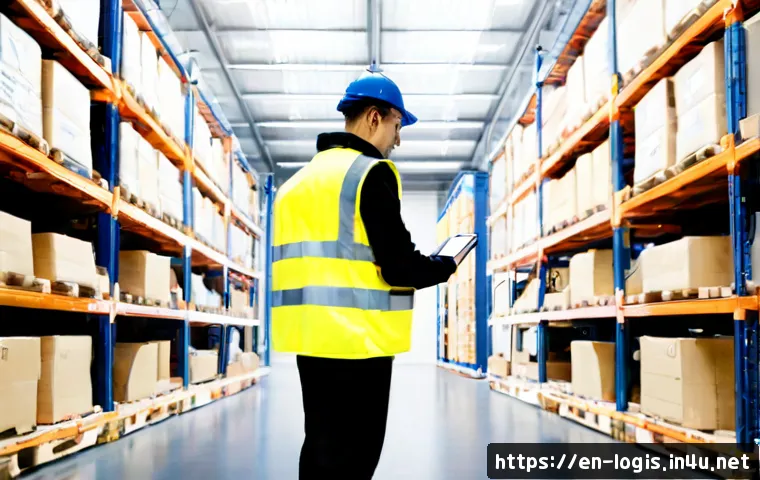
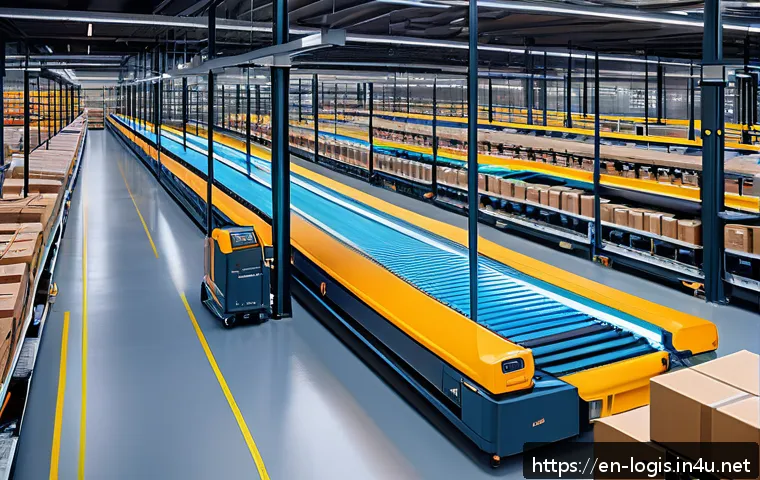
Coupang’s warehouses are a remarkable blend of automated robotics and human expertise. Unlike traditional fulfillment centers that rely heavily on manual labor, Coupang employs autonomous robots to transport goods swiftly across vast storage areas.
These robots handle repetitive tasks such as picking and sorting, freeing up employees to focus on quality control and packing. From my own observations, this synergy reduces errors and accelerates order processing, which is crucial for meeting tight delivery windows.
The result? Packages move seamlessly from shelves to shipping bays without unnecessary delays, ensuring customers receive their orders lightning-fast.
Real-Time Inventory Tracking with IoT Sensors
One of the standout features powering Coupang’s efficiency is the use of IoT sensors embedded throughout their warehouses. These sensors monitor stock levels, product locations, and even environmental conditions in real time.
This constant stream of data enables the system to automatically adjust inventory placement and alert staff of replenishment needs before any shortage occurs.
When I first learned about this, I was impressed by how this proactive approach prevents bottlenecks and keeps popular items readily available, significantly reducing wait times for customers.
Dynamic Slotting Strategies for Optimized Space
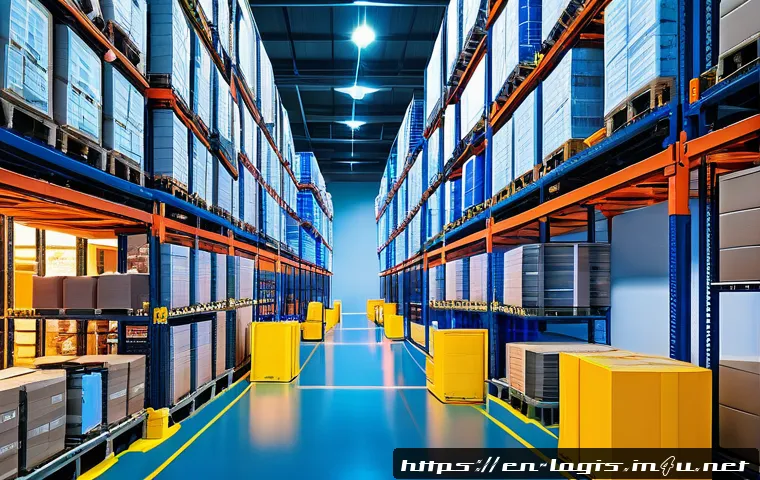
Warehouse space is at a premium, and Coupang’s logistics team employs dynamic slotting to maximize it. Instead of static storage, products are frequently relocated based on demand patterns, seasonal trends, and shipping priorities.
This fluid system means high-turnover items are positioned closer to packing stations, speeding up retrieval. From personal experience in e-commerce logistics, this kind of adaptive storage system is a game-changer, drastically cutting down the time workers spend walking between aisles and improving overall throughput.
AI-Powered Route Optimization to Slash Delivery Times
Smart Algorithms Mapping the Fastest Paths
Coupang’s delivery network heavily relies on AI algorithms that constantly analyze traffic, weather, and order density to determine the quickest delivery routes.
These algorithms don’t just pick the shortest distance but factor in real-time road conditions and predicted delays. When I tracked a delivery once, I noticed the driver avoided usual congested areas, arriving well before the estimated time.
This intelligent routing reduces fuel consumption and keeps customers happier with on-time deliveries.
Dynamic Scheduling for Delivery Personnel
Instead of rigid schedules, Coupang uses AI to dynamically assign delivery tasks to personnel based on current workloads, proximity, and vehicle capacity.
This flexibility means no driver is overloaded, and parcels are distributed efficiently. From a logistics standpoint, this reduces idle time and increases the number of deliveries per shift, contributing directly to faster service without sacrificing quality.
Predictive Demand Forecasting for Preemptive Dispatch
By analyzing historical sales data and customer behavior, Coupang anticipates peak demand periods and prepositions inventory closer to target delivery zones ahead of time.
This predictive forecasting allows couriers to start routes with packages already on hand, bypassing delays typical of last-minute order processing. Based on what I’ve experienced during holiday seasons, this foresight is critical for maintaining rapid delivery speeds when order volumes spike.
Customer-Centric Packaging and Delivery Innovations
Eco-Friendly, Efficient Packaging Solutions
Coupang’s commitment to speedy delivery doesn’t come at the expense of sustainability. Their packaging is designed to be lightweight yet protective, minimizing material use while ensuring products arrive intact.
In my recent unboxing, the packaging was compact and easy to recycle, reflecting their environmental responsibility. Efficient packaging also means more parcels fit per vehicle, indirectly boosting delivery speed and reducing carbon emissions.
Contactless Delivery and Real-Time Updates
The convenience of Coupang’s service extends to delivery interactions. Customers receive live tracking updates with precise ETAs and have the option for contactless drop-offs.
I found this feature especially reassuring during busy or unpredictable schedules, as it provides transparency and control without added stress. This kind of customer-focused innovation builds trust and loyalty, which are vital for sustained e-commerce growth.
Flexible Delivery Options Tailored to Lifestyles
Understanding that customers have diverse needs, Coupang offers multiple delivery choices, including same-day, next-day, and scheduled time slots. This flexibility means shoppers can pick options that best fit their routines.
I once selected an evening delivery slot after work, and the package arrived exactly when promised—no waiting around or missed deliveries. This level of customization enhances user experience and encourages repeat business.
Leveraging Data Analytics to Continuously Improve Operations
Monitoring Key Performance Indicators in Real Time
Coupang’s logistics are backed by a robust analytics platform tracking metrics like delivery speed, order accuracy, and customer satisfaction. This constant monitoring allows rapid identification of issues and swift corrective action.
For example, if a particular route consistently experiences delays, the system flags it for review and adjustment. From what I gathered through insider accounts, this data-driven approach is central to maintaining their competitive edge.
Feedback Loops from Frontline Workers and Customers
Beyond automated data, Coupang actively incorporates feedback from delivery staff and customers into operational improvements. Couriers can report challenges via mobile apps, while customers rate their experiences post-delivery.
This human input complements technical data, providing a fuller picture of performance. Personally, I appreciate companies that value frontline insights, as it often leads to practical fixes that technology alone might overlook.
Adaptive Learning Systems for Forecasting and Planning
Machine learning models at Coupang adapt over time, refining demand forecasts and logistical planning with every delivery cycle. This continuous learning helps the company stay ahead of shifting market trends and consumer preferences.
Having seen similar adaptive systems in other industries, I can attest that this agility is crucial for scaling operations without sacrificing service quality.
Strategic Network Design Enabling Nationwide Reach
Distributed Fulfillment Centers Near Urban Hubs
Coupang strategically positions fulfillment centers near major metropolitan areas to ensure rapid last-mile delivery. These hubs reduce the physical distance between products and customers, a key factor in their impressive delivery speeds.
I’ve noticed that even customers in suburban locations receive orders quickly, thanks to this thoughtful network layout.
Micro-fulfillment Facilities for Hyperlocal Delivery
In addition to large warehouses, Coupang operates smaller micro-fulfillment centers embedded within city neighborhoods. These compact sites handle high-demand items and enable ultra-fast delivery, sometimes within a few hours.
From what I’ve experienced, this local presence allows Coupang to compete with on-demand delivery services while maintaining the scale of a major retailer.
Collaborative Partnerships with Local Carriers
To extend their delivery footprint, Coupang partners with local courier services and gig workers. This collaboration fills gaps in coverage and adapts to varying demand levels efficiently.
I find this hybrid model effective in balancing cost, speed, and flexibility, making it possible for Coupang to maintain consistent service quality across diverse regions.
Technology-Driven Workforce Management and Training
Real-Time Task Allocation and Performance Tracking
Coupang uses advanced workforce management software to assign tasks dynamically and monitor employee productivity in real time. This system ensures that workload is balanced, and any bottlenecks are quickly addressed.
From conversations with logistics professionals, I know that such transparency motivates workers and helps managers optimize resource allocation on the fly.
Continuous Skill Development via Digital Training Modules
To keep pace with evolving technology, Coupang invests in ongoing digital training for warehouse and delivery staff. These modules cover everything from equipment operation to customer service best practices.
I personally admire this commitment because a well-trained workforce directly translates to fewer mistakes and better customer experiences.
Incentive Programs Aligned with Delivery Performance
Performance-based incentives are integral to Coupang’s workforce strategy. Drivers and warehouse workers receive bonuses tied to delivery speed, accuracy, and customer feedback.
This system fosters a culture of excellence and accountability. Having seen similar approaches work effectively, I believe this alignment between rewards and goals is key to sustaining high operational standards.
| Aspect | Technology/Strategy | Benefits | Impact on Delivery |
|---|---|---|---|
| Warehouse Automation | Robotics + Human Labor Integration | Reduced errors, faster picking | Speeds order fulfillment |
| Inventory Management | IoT Sensors & Dynamic Slotting | Real-time stock updates, optimized storage | Prevents delays, improves availability |
| Route Optimization | AI Algorithms & Dynamic Scheduling | Efficient routing, balanced workloads | Faster, more reliable deliveries |
| Customer Experience | Flexible Delivery Options & Real-Time Tracking | Convenience, transparency | Increased satisfaction and loyalty |
| Network Design | Distributed & Micro-fulfillment Centers | Proximity to customers | Enables rapid last-mile delivery |
| Workforce Management | Performance Tracking & Digital Training | Motivated, skilled staff | Consistent, high-quality service |
Conclusion
The integration of advanced technologies and human expertise is transforming warehouse and delivery operations, making them faster and more accurate than ever before. Coupang’s innovative approach not only enhances efficiency but also elevates the customer experience through real-time tracking and flexible options. By continuously optimizing processes and investing in their workforce, they set a new standard in e-commerce logistics that others can learn from.
Useful Information to Know
1. Robotics paired with human workers significantly reduces errors and speeds up order fulfillment.
2. IoT sensors enable real-time inventory tracking to prevent stock shortages and delays.
3. AI-driven route optimization and dynamic scheduling ensure quicker, more reliable deliveries.
4. Eco-friendly packaging and contactless delivery options improve customer satisfaction and sustainability.
5. Ongoing data analysis and employee feedback help maintain high service standards and adapt to market changes.
Key Takeaways
Efficient warehouse automation combined with intelligent inventory management directly contributes to faster order processing. Leveraging AI for route planning and workforce scheduling maximizes delivery speed while maintaining quality. Customer-centric innovations such as flexible delivery slots and real-time updates build trust and loyalty. Strategic placement of fulfillment centers ensures rapid last-mile delivery across diverse regions. Finally, investing in workforce training and incentivization fosters a motivated team dedicated to excellence.
Frequently Asked Questions (FAQ) 📖
Q: uestionsQ1: How does Coupang manage to deliver orders so quickly compared to other e-commerce companies?
A: Coupang’s secret lies in its integrated logistics system that combines advanced technology with strategic warehouse placement. They operate numerous fulfillment centers located close to major urban areas, allowing for same-day or next-day delivery.
On top of that, their use of AI-powered route optimization ensures delivery drivers take the fastest, most efficient paths. From my experience, this seamless coordination between smart warehouses and dynamic routing dramatically cuts down delivery times, setting Coupang apart from many competitors.
Q: What role does technology play in Coupang’s logistics and delivery process?
A: Technology is at the core of Coupang’s operations. Their warehouses are equipped with robotics and automation to speed up sorting and packing. AI algorithms constantly analyze order patterns, inventory levels, and traffic conditions to optimize stock placement and delivery routes in real time.
Having followed their innovations closely, I’ve seen how these tech-driven decisions reduce errors and delays, ultimately enhancing customer satisfaction by making delivery faster and more reliable.
Q: Can Coupang’s logistics model be applied to other markets outside of Korea?
A: While Coupang’s logistics model is highly effective, its success depends on factors like urban density, infrastructure, and consumer behavior. In regions with well-developed transportation networks and concentrated populations, similar strategies—such as smart warehouses near cities and AI-driven delivery routing—can definitely be adapted.
However, in more rural or less connected areas, modifications would be needed. From what I’ve observed, the key takeaway is that leveraging technology to bring fulfillment closer to customers is a universal principle that can transform delivery anywhere, but local conditions must always be considered.