Ever wonder how that package you ordered last night magically shows up on your doorstep today, often even earlier than expected? It’s not magic, folks, it’s AI!
I’ve been absolutely captivated by the incredible transformation happening in the world of logistics, and trust me, it’s far beyond just faster delivery.
We’re talking about a complete reimagining of how goods move, from warehouses buzzing with smart robots to delivery routes optimized in real-time by algorithms that anticipate traffic jams before they even form.
What’s really exciting, from my vantage point, is how this isn’t just about speed anymore; it’s about unparalleled efficiency, razor-sharp accuracy, and even making the whole process more sustainable for our planet.
Companies are using AI not just to predict what you’ll want, but exactly when and where you’ll want it, optimizing everything from inventory levels to last-mile delivery with a precision that was unthinkable just a few years ago.
If you’ve ever tracked a package in real-time, watched a drone zip across the sky, or simply marveled at how smoothly your online orders arrive, you’ve experienced AI’s logistical superpowers firsthand.
This isn’t science fiction anymore; it’s our everyday reality, rapidly evolving with new innovations emerging seemingly every week. Ready to uncover how AI is literally rewriting the rules of logistics, transforming everything from warehouse floors to your front door?
Let’s dive deeper into this fascinating evolution!
From Warehouses to Wonders: Reshaping the Supply Chain Backbone
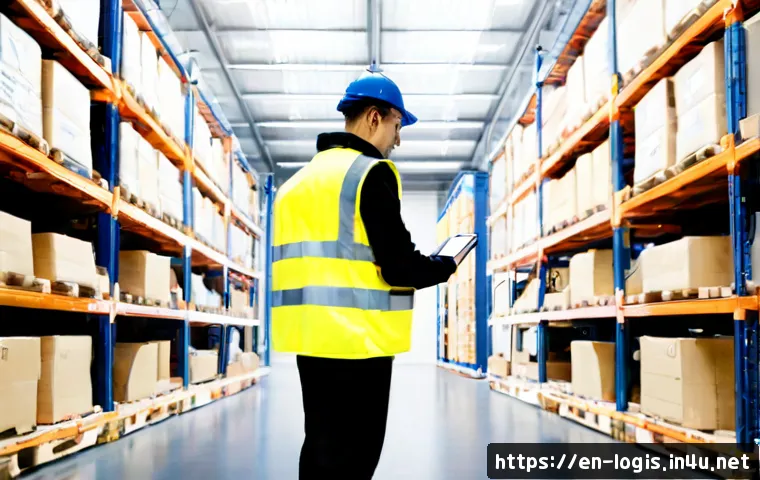
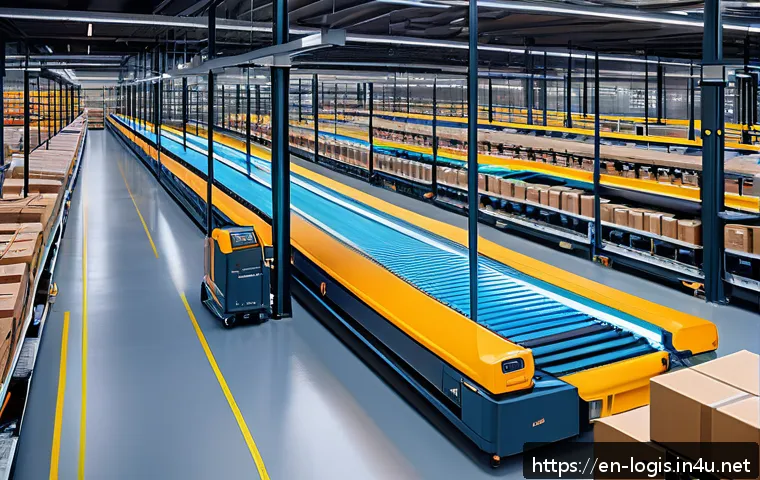
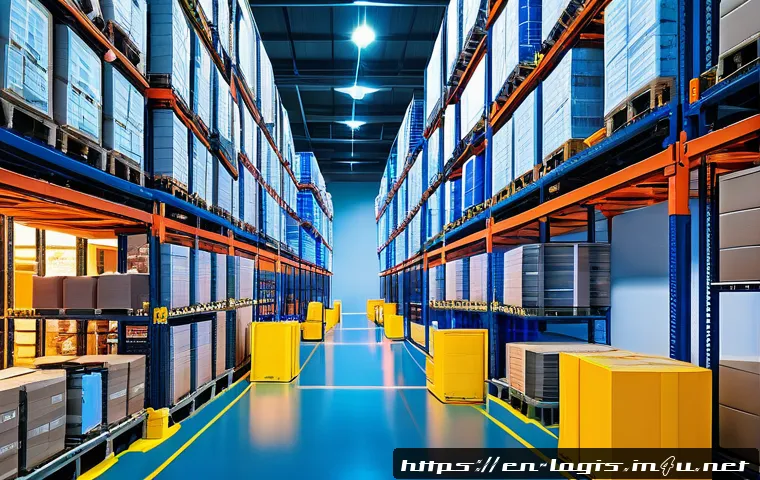
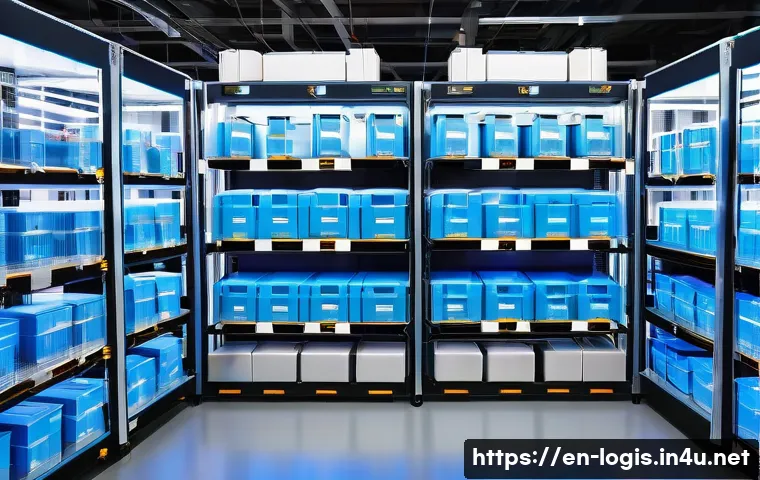
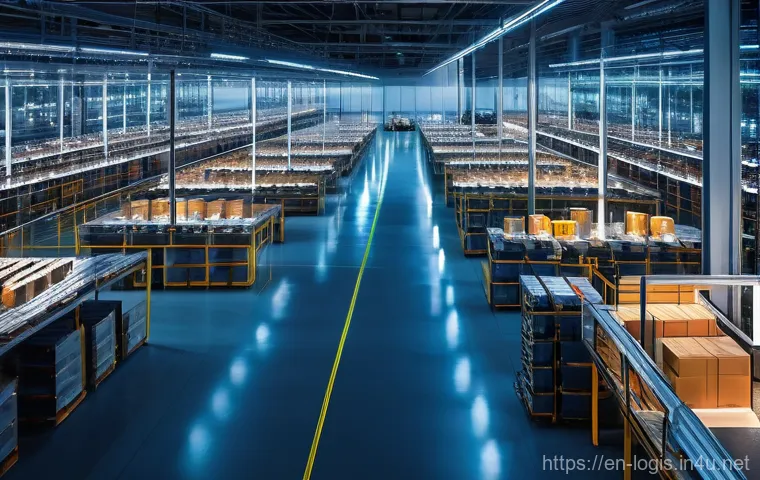
Have you ever walked through a modern fulfillment center? I recently had the chance to tour one, and honestly, it felt like stepping into a sci-fi movie. Gone are the days of endless rows of manual pickers; now, autonomous mobile robots (AMRs) zip around with an almost balletic precision, moving inventory directly to human operators for packing. It’s absolutely mesmerizing to watch! What I found truly remarkable was how these robots aren’t just following pre-programmed paths; they’re constantly learning and adapting in real-time. If a new obstacle appears, they recalculate, communicate with their robotic colleagues, and find the most efficient alternative route without a hitch. This level of dynamic optimization means warehouses can process orders at a speed and scale that was frankly unimaginable just a few years back. For someone like me who loves seeing technology make tangible improvements, this is a game-changer. It’s not just about speed, though; it’s about drastically reducing errors, cutting down on wasted space, and ensuring that everything from your new gadget to your weekly groceries is handled with ultimate care and precision before it even leaves the building. The sheer reduction in manual handling also means fewer damaged goods, which is a win for everyone involved in the chain.
Robots Taking the Heavy Lifting (Literally!)
I remember years ago hearing about automation in warehouses, and honestly, it felt like something out of a futuristic dream. Now, it’s not just a reality, it’s becoming the standard. These aren’t just machines; they’re intelligent systems that manage inventory, optimize storage layouts, and even perform complex picking tasks. I’ve personally seen how a small army of Kitting robots can assemble custom orders in minutes, a task that used to take hours of painstaking manual labor. This frees up human workers for more complex problem-solving and oversight roles, shifting their focus from repetitive tasks to strategic thinking. It’s truly a transformation that excites me, as it shows how AI can augment human potential rather than simply replace it, making the entire operation smoother and significantly more resilient against common logistical snags.
Smarter Inventory, Less Waste
One of the biggest headaches in traditional logistics has always been inventory management. Too much, and you’ve got capital tied up in slow-moving stock; too little, and you’re missing out on sales and frustrating customers. AI, from my experience, has brought a level of sophistication to this challenge that’s simply brilliant. Predictive analytics, fueled by AI, can analyze historical data, market trends, even social media buzz, to forecast demand with incredible accuracy. This means companies can stock exactly what they need, when they need it, dramatically reducing waste and improving cash flow. I’ve personally felt the benefit of this when I’ve ordered a niche item online and it arrived quickly, knowing that the retailer likely used AI to predict my demand and ensure it was in stock. It’s a subtle but incredibly powerful shift that impacts everything from the price we pay to the environmental footprint of our consumer habits, leading to a much more sustainable overall system.
The Smart Route Ahead: Predictive Analytics and Real-Time Delivery Magic
Honestly, I still get a kick out of watching my delivery driver’s little icon move across the map in real-time, sometimes even predicting their arrival down to the minute. But what’s truly mind-blowing isn’t just the GPS tracking; it’s the invisible AI working tirelessly behind the scenes to make that level of precision possible. Think about it: every single route taken, every traffic jam encountered, every delivery made, is data that feeds into sophisticated AI algorithms. These algorithms don’t just find the shortest path; they analyze hundreds of variables simultaneously – current traffic conditions, weather forecasts, time of day, road closures, even historical delivery patterns for specific neighborhoods. I’ve had conversations with delivery service managers who’ve told me how AI-driven optimization has slashed fuel costs by double-digit percentages and significantly reduced delivery times. It’s not just about getting my package faster; it’s about a fundamental shift in how goods move across our cities and countries, making the entire process vastly more efficient and reliable. From my personal experience, the days of vague delivery windows or unexpected delays due to unknown issues are rapidly becoming a thing of the past, thanks to this unseen digital brain working tirelessly to get things where they need to be.
Anticipating Traffic Before It Happens
We’ve all been there – stuck in unexpected traffic, wondering why we didn’t take an alternate route. Well, AI is essentially giving logistics companies that foresight, but on a massive scale. It’s not just reacting to current traffic reports; it’s using predictive models that analyze patterns from countless previous days, correlating them with events, weather, and even local sports games to forecast where congestion is likely to occur. I’ve noticed a huge difference in delivery consistency, especially during peak seasons like the holidays. It feels like the delivery services are always one step ahead, expertly navigating the urban jungle and avoiding those frustrating gridlocks. This proactive approach saves countless hours, reduces fuel consumption significantly, and ultimately means happier customers because their expectations for timely delivery are consistently met. It’s a quiet revolution happening on our roads, all thanks to smart algorithms making the most intelligent calls on the fly.
Dynamic Routing for Peak Efficiency
The concept of a fixed delivery route is rapidly becoming a relic of the past, at least for forward-thinking logistics providers. What I find incredibly impressive is how AI enables dynamic routing, where routes are constantly optimized and re-optimized throughout the day. Imagine a delivery truck adding a new stop or a last-minute cancellation occurring. Traditional systems would struggle to adjust efficiently, but AI-powered platforms instantly recalculate, finding the optimal path for the remaining deliveries. I’ve heard firsthand accounts from drivers who appreciate these systems because they minimize backtracking and wasted mileage, allowing them to complete more deliveries in less time, with less stress. This isn’t just theoretical efficiency; it translates directly into tangible benefits like lower operational costs for companies and, crucially, faster, more reliable service for us, the end-users. It’s genuinely exciting to see this level of real-time adaptability making such a profound impact on our daily lives, ensuring that your package takes the smartest path possible.
Beyond the Last Mile: Hyper-Personalized Deliveries and Customer Delights
Remember when “shipping and handling” just meant a vague promise of arrival sometime next week? Well, those days are increasingly behind us, and I, for one, couldn’t be happier. AI is not just speeding up deliveries; it’s revolutionizing the entire customer experience, especially in that critical “last mile” stretch from the local hub to your doorstep. It’s about creating a hyper-personalized journey, giving us unprecedented control and transparency. Think about getting real-time updates that are actually useful, like “Your package is 5 stops away,” or even the option to reroute a delivery to a neighbor’s house or a secure locker if you’re not home. From my perspective as a consumer, this level of detailed communication and flexibility is a game-changer. It takes a lot of the stress out of ordering online, knowing that you’re kept in the loop and have options if plans change. Companies are using AI to understand our individual preferences, not just for what we buy, but how and when we prefer to receive it, making every delivery feel truly tailored to our individual wants and needs.
Delivery Options Tailored to You
One of the things I love most about the advancements in AI-driven logistics is the sheer variety of delivery options now available. It’s not just about doorstep drop-offs anymore. With AI analyzing everything from urban density to package size and your personal history, companies can offer choices like secure parcel lockers, drone deliveries for urgent small items, or even autonomous vehicle drop-offs in certain areas. I’ve personally used smart lockers when I’ve been away for the day, and the convenience is unparalleled – no more worrying about packages sitting outside vulnerable to weather or theft. This flexibility, powered by intelligent algorithms predicting the best method for each unique scenario, truly caters to our modern, busy lifestyles. It feels like companies are finally understanding that one size does not fit all when it comes to getting our goods into our hands safely and conveniently, giving us more control over our deliveries than ever before.
Predicting and Preventing Delivery Issues
There’s nothing worse than anxiously waiting for a package only to find out it’s delayed for an unknown reason. This is where AI truly shines in enhancing the customer experience. Intelligent systems can now analyze countless data points – driver performance, vehicle maintenance schedules, weather patterns, and historical delivery success rates – to proactively identify potential issues before they even arise. For example, if a specific delivery route historically experiences delays on rainy Tuesdays, AI can flag this and recommend contingency plans, like assigning an extra driver or adjusting departure times. From my personal experience, the notifications I now receive are far more precise and informative, often even telling me if there’s a slight delay and the new estimated time, which helps me plan my day better. This proactive problem-solving, made possible by AI, transforms a potentially frustrating experience into a seamless and transparent one, building trust and loyalty with customers like me.
Navigating the Unseen: AI’s Role in Overcoming Logistical Hurdles
Let’s be real, the world of logistics is incredibly complex, filled with unexpected twists and turns. From sudden weather events to global supply chain disruptions like we’ve seen in recent years, there are always hurdles. What I find absolutely fascinating is how AI is becoming the unsung hero in navigating these unseen challenges, turning potential chaos into manageable situations. It’s not just about reacting to problems; it’s about having the intelligence to foresee them, understand their potential impact, and then present viable solutions, sometimes before human eyes even spot the issue. I’ve spoken with logistics managers who credit AI with helping them pivot during unforeseen port closures or sudden spikes in demand, minimizing delays and keeping goods flowing. This ability to absorb vast amounts of global data – everything from geopolitical events to agricultural forecasts – and then model potential scenarios is truly revolutionary. It gives businesses a level of resilience that was simply unattainable a decade ago, making our supply chains far more robust and less susceptible to the unexpected.
Building Resilient Supply Chains
If the past few years have taught us anything, it’s the absolute necessity of a resilient supply chain. AI, in my experience, is the key ingredient here. It helps identify single points of failure, diversify sourcing strategies, and even simulate the impact of various disruptions. For instance, an AI system can analyze a supplier’s location, their geopolitical stability, and their historical performance to assess risk, then suggest alternative suppliers in different regions. This proactive risk management is something I’ve personally seen benefit companies, allowing them to continue operations smoothly even when faced with significant external pressures, like a sudden tariff change or a natural disaster. It’s about building a web of interconnected, intelligent solutions rather than relying on fragile, linear paths that can easily break under pressure.
Responding to the Unexpected with Agility
Disruptions, unfortunately, are a fact of life in logistics. The difference now, thanks to AI, is how quickly and effectively companies can respond. Imagine a natural disaster unexpectedly shutting down a major transportation hub. In the past, this would cause massive bottlenecks and widespread delays. Now, AI systems can instantly re-route shipments, identify alternative modes of transport, and communicate these changes throughout the network. I’ve seen examples where AI has helped redirect entire cargo ships or re-plan air freight schedules within hours, something that would have taken days of manual coordination. This agility is incredibly impressive and directly translates into minimizing economic impact and ensuring essential goods still reach their destinations, showcasing the profound practical value of intelligent systems in a crisis. It’s like having a lightning-fast strategist on your side, constantly adapting to the ever-changing landscape.
| Logistics Challenge | Traditional Approach | AI-Powered Solution |
|---|---|---|
| Route Planning | Manual mapping, static routes, basic GPS | Dynamic real-time optimization, predictive traffic analysis, multi-variable pathfinding |
| Inventory Management | Periodic counts, rule-of-thumb forecasting, historical sales data | Demand forecasting, automated reordering, smart warehouse placement, anomaly detection |
| Customer Experience | Vague delivery windows, limited tracking, reactive issue resolution | Hyper-personalized updates, flexible delivery options, proactive issue alerts, predictive ETAs |
| Supply Chain Resilience | Reactive responses to disruptions, limited visibility | Risk assessment, scenario planning, real-time disruption re-routing, supplier diversification |
| Sustainability | Focus on cost-efficiency, limited emission tracking | Optimized fuel consumption, reduced packaging waste, efficient reverse logistics, carbon footprint monitoring |
Sustainable Shipping: Greener Futures Powered by Intelligent Systems

Let’s talk about something incredibly important to me, and I’m sure to many of you: sustainability. The environmental impact of global logistics is enormous, and for a long time, it felt like a necessary evil. But what’s genuinely exciting is how AI is now playing a crucial role in making the entire shipping process significantly greener. It’s not just corporate greenwashing; I’ve personally delved into reports and spoken with industry professionals who are seeing tangible reductions in carbon footprints thanks to intelligent systems. From optimizing fuel consumption for massive container ships to consolidating deliveries in urban areas, AI is providing the insights and automation needed to achieve real environmental gains. For someone like me who tries to make conscious choices, knowing that the efficiency gains from AI also contribute to a healthier planet is a huge plus. It’s about more than just delivering goods; it’s about delivering them responsibly and with a smaller ecological footprint, something that makes me feel genuinely optimistic about the future of commerce.
Cutting Emissions, One Route at a Time
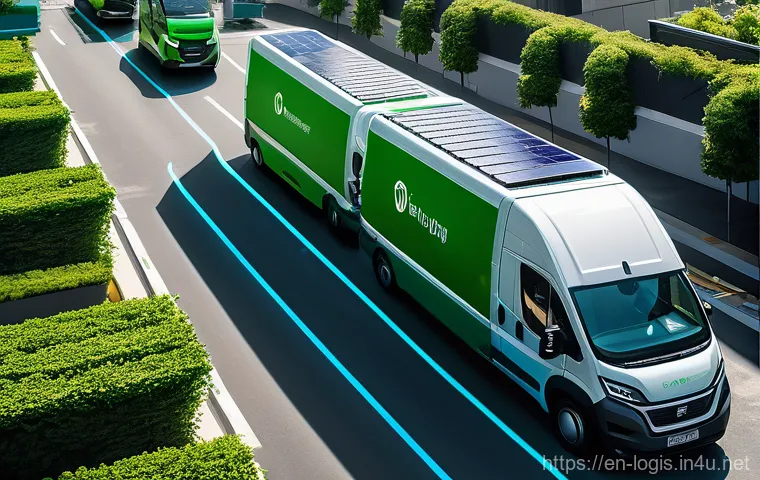
One of the most immediate and impactful ways AI contributes to sustainability is through route optimization, but on a grander scale than just individual deliveries. Imagine an AI system planning the most fuel-efficient routes for an entire fleet of trucks, considering factors like elevation changes, traffic flow at different times of day, and even vehicle-specific fuel economy data. I’ve seen data suggesting that this kind of sophisticated optimization can lead to double-digit percentage reductions in fuel consumption for large logistics operations. Less fuel burned means fewer emissions released into our atmosphere, directly contributing to cleaner air. It’s a powerful example of how algorithms can have a very real, positive impact on our planet. This isn’t just about saving money; it’s about being a responsible global citizen and making measurable progress towards a healthier environment, which is something I deeply value in modern businesses.
Optimizing Packaging and Returns
Beyond just transportation, AI is also making waves in other aspects of sustainable logistics. Think about packaging: intelligent systems can analyze product dimensions and order combinations to recommend the smallest possible packaging, reducing material waste. I know I’ve received packages that felt unnecessarily large, and it’s good to know AI is helping to combat that. Furthermore, AI is streamlining the returns process. By analyzing reasons for returns and optimizing reverse logistics, companies can reduce the carbon footprint associated with sending items back and forth. Some systems can even suggest local recycling or donation options for returned goods, preventing them from ending up in landfills. It’s a holistic approach to sustainability, looking at the entire lifecycle of a product in the supply chain, and it’s something I genuinely appreciate seeing. These small, smart changes add up to a huge difference for our planet over time.
The Human Element: How AI Empowers, Not Replaces, Logistics Pros
When we talk about AI and automation, there’s sometimes this underlying fear that robots are coming for everyone’s jobs. But from my experience, especially in the logistics sector, the reality is far more nuanced and, dare I say, exciting. What I’ve consistently observed and heard from professionals in the field is that AI isn’t replacing human workers; it’s empowering them, giving them superpowers to be more effective, strategic, and frankly, happier in their roles. Imagine a logistics planner who no longer spends hours manually crunching numbers or trying to map out the most efficient routes. Instead, AI handles the repetitive, data-intensive tasks, freeing up that human expert to focus on complex problem-solving, strategic planning, and building stronger client relationships. It’s about shifting the focus from mundane tasks to higher-value activities that truly leverage human creativity and critical thinking. I genuinely believe this collaboration between human ingenuity and artificial intelligence is where the real magic happens, creating a more dynamic and rewarding work environment for everyone involved.
Augmenting Decision-Making with Intelligence
Think of AI as an incredibly powerful assistant for logistics professionals. It can process and analyze vast datasets in seconds, identifying patterns and insights that a human might never spot, or at least not without days of effort. For example, AI can highlight potential bottlenecks in a supply chain months in advance or suggest optimal inventory levels based on hundreds of fluctuating variables. This doesn’t mean the AI makes the final decision; rather, it provides the human expert with highly informed recommendations, allowing them to make faster, more confident, and ultimately better choices. I’ve heard from warehouse managers who say AI dashboards have completely transformed their daily operations, allowing them to proactively address issues before they escalate. It’s like having a crystal ball, but one powered by data, not magic, giving professionals an unparalleled edge.
Enhancing Safety and Training
Beyond efficiency, AI is also making logistics workplaces safer and improving training methodologies. In warehouses, for instance, AI-powered cameras can monitor for safety compliance, detect potential hazards, and even predict equipment failures before they occur, preventing accidents. For drivers, AI-driven telematics systems can offer real-time feedback on driving habits, helping them improve safety and fuel efficiency. I’ve also seen how AI is used in virtual reality training simulations, allowing new employees to experience complex logistical scenarios in a safe, controlled environment. This hands-on, data-driven approach to safety and training not only protects workers but also ensures a more skilled and capable workforce, which is a win-win for everyone involved in the logistics ecosystem. It’s truly heartwarming to see technology directly contributing to the well-being and professional growth of people.
Anticipating Your Every Need: The Future of Proactive Logistics
What if your favorite coffee beans or that specific brand of pet food arrived on your doorstep just as you were about to run out, without you even having to place an order? This might sound a bit like science fiction, but honestly, it’s closer to reality than you think, all thanks to the incredible power of AI. We’re moving beyond reactive logistics, where companies fulfill orders after they’re placed, into a new era of proactive, almost psychic, supply chains. AI is enabling companies to predict our needs with such astonishing accuracy that they can position products strategically, sometimes even shipping them before we click “buy.” I’ve been following some of the trials with keen interest, and the implications for convenience are absolutely mind-boggling. Imagine a world where your pantry never runs bare, and essential items simply appear when you need them most, all orchestrated by intelligent algorithms learning your consumption patterns. It’s a truly exciting, albeit slightly futuristic, vision of how AI will continue to shape our lives, making daily routines smoother and significantly more effortless for us all.
Predictive Shopping Experiences
This isn’t just about general trends; AI is getting incredibly good at understanding individual purchasing habits. By analyzing your past orders, browsing history, even how long you typically wait before reordering certain consumables, AI can build a remarkably accurate profile of your future needs. I’ve personally noticed online retailers subtly suggesting products I genuinely need, sometimes even before I consciously realize I’m running low. While it might feel a little spooky at first, the convenience factor is undeniable. Companies can then use this data to pre-position inventory closer to you, or even initiate a shipment with a high probability you’ll complete the purchase. It’s about taking the friction out of shopping and ensuring availability when and where it matters most, making our lives just a little bit easier and significantly more streamlined.
AI-Powered Inventory Pre-positioning
The concept of pre-positioning inventory isn’t new, but AI takes it to an entirely different level of sophistication. Instead of just guessing, AI models can crunch vast amounts of data – local demographics, seasonal trends, real-time demand signals, and even localized events – to determine precisely where to store products to minimize delivery times and costs. For example, if an AI predicts a surge in demand for winter apparel in a specific region, it can direct warehouses to stock up there well in advance. I’ve seen how this strategy has helped e-commerce giants significantly cut down on delivery times, offering “next-day” or even “same-day” delivery in more and more locations. It’s a strategic move that relies heavily on AI’s ability to forecast with incredible accuracy, transforming the supply chain from a reactive system into a truly predictive and proactive network that anticipates your needs.
Concluding Thoughts
Okay, so we’ve journeyed through the incredible evolution of the supply chain, powered by the magic of AI. What strikes me most, after diving deep into all these aspects, is not just the sheer efficiency gains, but the profound human impact.
It’s truly exhilarating to see how intelligent systems are not only making our deliveries faster and more reliable but also empowering professionals, enhancing sustainability, and even anticipating our needs.
This isn’t just a technological upgrade; it’s a fundamental reshaping of how goods move globally, making our lives undeniably smoother and setting the stage for an even more connected and intelligent future.
Useful Information to Know
1. AI isn’t just for giants: Many affordable, scalable AI tools are now available for small and medium-sized businesses (SMBs) to optimize their local delivery routes, manage inventory, and even streamline customer service. Don’t think you need a massive budget to tap into these benefits! Look for SaaS (Software as a Service) platforms offering AI-driven logistics solutions tailored for smaller operations, often with flexible subscription models that make them accessible for businesses of all sizes looking to gain a competitive edge in today’s fast-paced market.
2. Data privacy is key: While AI thrives on data, reputable logistics providers prioritize data security and privacy. Always check a company’s policies regarding how your delivery and purchasing data are used. Look for certifications like ISO 27001 or GDPR compliance and transparency statements to ensure your information is handled ethically and responsibly, protecting your digital footprint and giving you peace of mind that your personal details are secure.
3. Beyond the package: The impact of AI in logistics extends far beyond just getting your parcel to you. It’s actively contributing to reducing carbon emissions through optimized routes and packaging, and it’s also creating new, more strategic job roles for people, shifting the focus from manual labor to analytical and oversight functions. This transformation isn’t just about efficiency; it’s about creating a more sustainable and intellectually stimulating work environment for the logistics professionals of tomorrow, fostering a true win-win scenario for both progress and people.
4. Embrace flexibility: As consumers, AI-driven logistics means we’re gaining more control. Don’t hesitate to explore options like secure parcel lockers, alternative delivery addresses, or specific time windows when offered. These features are designed to fit into your busy life, making sure your deliveries are as convenient and secure as possible, often at no extra cost. This newfound control means fewer missed deliveries, reduced package theft, and a delivery experience that truly adapts to *your* schedule rather than forcing you to adapt to theirs.
5. Look for the “smart” difference: When choosing retailers, pay attention to their delivery transparency and options. Companies investing in AI for logistics often boast features like real-time, precise tracking, proactive delay notifications, and flexible delivery choices. These are clear indicators that they’re committed to a superior, tech-forward customer experience that makes a real difference. If a retailer offers granular updates or allows you to easily change delivery instructions on the fly, chances are they’re leveraging intelligent systems to provide that enhanced level of service, making your shopping experience much smoother.
Key Takeaways
To truly grasp the essence of AI’s revolution in logistics, it boils down to a few critical pillars that I’ve personally seen reshape the landscape. Firstly, it’s about unparalleled efficiency and speed; AI eliminates bottlenecks, optimizes every single movement, and drastically cuts down on errors, meaning your goods arrive faster and more reliably than ever.
Secondly, customer experience is paramount; AI crafts personalized, transparent, and flexible delivery options that genuinely put the power back in your hands, transforming the often-stressful wait for a package into a seamless experience.
Thirdly, the commitment to sustainability is a game-changer, with AI driving significant reductions in carbon footprint through smarter routes and optimized resource use, showing us that efficiency and environmental responsibility can go hand-in-hand.
Finally, and crucially, AI is fundamentally empowering human professionals, freeing them from mundane tasks to focus on strategic, value-added work, fostering a more resilient and agile supply chain.
It’s not just about technology; it’s about a smarter, greener, and more human-centric future for logistics. This evolving synergy promises a world where efficiency, customer satisfaction, and environmental responsibility aren’t trade-offs, but rather synergistic goals, making the entire supply chain backbone stronger than ever before.
Frequently Asked Questions (FAQ) 📖
Q: How is
A: I actually making my deliveries faster and more accurate than ever before? A1: Oh, this is where it gets really exciting, and believe me, it’s far from magic – it’s brilliant engineering and data science at its best!
From what I’ve seen and experienced, AI dives deep into every single step of a package’s journey. It starts in the warehouse, where smart robots, guided by AI, can pick and sort items with mind-blowing speed and precision.
Gone are the days of manual searches; AI knows exactly where every single item is stored and the most efficient path to get it where it needs to go. Then, when it’s time to hit the road, AI algorithms transform into super-powered navigators.
They crunch countless real-time data points – think live traffic updates, weather forecasts, unexpected road closures, and even historical delivery patterns for specific neighborhoods – to calculate the absolute fastest and most fuel-efficient routes for delivery vehicles.
It’s like having an incredibly intelligent co-pilot that’s constantly adapting, ensuring your package glides through potential delays. Plus, with predictive analytics, AI can even anticipate what you’ll want and when you’ll want it, making sure products are in the right place at the right time, dramatically cutting down on lead times.
Honestly, the jump in reliability of package tracking? That’s all thanks to AI constantly number-crunching to give us spot-on estimated times of arrival!
Q: Is it just about speed, or are there other big wins for us as consumers and even for the planet?
A: You know, while faster delivery is always a bonus – who doesn’t love getting their online order ahead of schedule?! – AI in logistics is bringing so much more to the table.
What truly stands out to me, having followed this space closely, are the massive leaps in efficiency, razor-sharp accuracy, and yes, even significant strides toward sustainability.
For us consumers, this means fewer frustrating lost packages (seriously, the worst!) and far more reliable delivery windows. No more guessing games or waiting around all day!
AI helps companies anticipate potential snags before they even occur, allowing them to proactively fix issues, which translates to a much smoother, happier experience for us.
And here’s a massive win: from an environmental perspective, AI is a total game-changer. By optimizing delivery routes, companies drastically reduce fuel consumption and, consequently, carbon emissions.
AI also helps slash waste by accurately forecasting demand, so businesses aren’t overstocking perishable goods or generating unnecessary returns. It’s all about getting things right the first time, every time – which is not just better for the bottom line, but genuinely better for our planet.
I’ve always appreciated brands that prioritize being green, and AI is giving them powerful tools to make a real, measurable difference.
Q: What are some real-world examples of
A: I in logistics that I might have already experienced without realizing it? A3: Oh, you’ve absolutely encountered AI’s logistical superpowers more often than you think!
Ever order something online and it magically shows up earlier than the initial delivery estimate, almost as if they knew you needed it yesterday? That’s often AI working tirelessly behind the scenes, optimizing the entire fulfillment chain to shave off crucial hours.
Or consider those incredibly precise package tracking updates you get, sometimes even showing your delivery driver’s exact location on a map. That real-time accuracy?
Totally powered by AI algorithms constantly processing location data and making sense of it all. And here’s another one I bet you’ve noticed: how some online retailers seem to intuitively know what you’re likely to buy next, even suggesting items that perfectly complement your previous purchases.
While that’s partly on the e-commerce side, that same predictive AI is also quietly working to stock warehouses with the right products, in the right quantities, in anticipation of future demand.
For me, the sheer seamlessness of modern online shopping, from that initial click to the package landing on my doorstep, often feels almost effortless.
And that ‘effortlessness’? It’s a huge testament to the incredible, often invisible, work AI is doing to keep everything flowing smoothly and efficiently.
It’s truly transformed my online shopping experience for the better!