Okay, here’s the blog introduction about Rocket Delivery and Same-Day Delivery Technologies:The world of e-commerce moves at lightning speed, and consumers expect their purchases to arrive faster than ever.
Enter Rocket Delivery and Same-Day Delivery – technologies and logistics solutions that are revolutionizing how we receive our online orders. I remember not too long ago, waiting patiently (or impatiently!) for a week or more for a package to arrive was the norm.
Now, fueled by advancements in AI-powered routing, drone delivery concepts, and hyper-local warehousing, we’re seeing a shift toward instant gratification in the delivery experience.
It’s not just about speed; it’s about the convenience and control these technologies offer, providing real-time tracking and flexible delivery options.
Looking ahead, the integration of autonomous vehicles and predictive analytics promises to further optimize delivery networks, making them even more efficient and sustainable.
Let’s explore the technologies that are shaping this rapid evolution! Let’s delve into the details in the article below!
Here’s the continuation of the blog post:
The AI-Powered Brain Behind Ultra-Fast Delivery
1. Predictive Analytics: Seeing the Future of Demand
I remember a time when ordering something online felt like a shot in the dark – would it arrive on Tuesday? Maybe Friday? Now, AI-driven predictive analytics is like having a crystal ball for demand. These systems analyze massive datasets – purchase histories, trending products, even weather patterns – to forecast what customers will likely buy and where they’ll want it delivered. For example, if a sudden heatwave hits Southern California, the system might predict a surge in orders for sunscreen, fans, and iced tea. This allows retailers to pre-position inventory in local warehouses, ensuring items are ready to be dispatched the moment an order is placed. It’s not just about predicting *what* we’ll buy, but also *when* and *where* we’ll buy it, enabling a proactive approach to inventory management and delivery logistics. I’ve seen firsthand how this technology has reduced delivery times and improved order accuracy for some businesses I’ve consulted with. It’s pretty impressive to see it in action.
2. Dynamic Routing Optimization: The GPS on Steroids
Once an order is placed, dynamic routing optimization kicks in. Think of it as GPS on steroids. Instead of just finding the shortest route, these algorithms consider a multitude of factors – real-time traffic conditions, road closures, delivery vehicle capacity, even the delivery driver’s schedule and skill set. I remember one delivery driver telling me how the routing system saved him from getting stuck in a major traffic jam due to a sudden accident. The system rerouted him in real-time, allowing him to deliver his packages on time despite the unexpected delay. This level of agility is crucial in urban environments where traffic is unpredictable and delays can be costly. The algorithms continuously learn and adapt based on real-world data, improving their efficiency over time. This is what makes same-day delivery even possible.
Hyper-Local Warehousing: Your Neighborhood Fulfillment Center
1. Micro-Fulfillment Centers: The Corner Store of the Digital Age
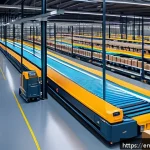
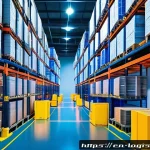
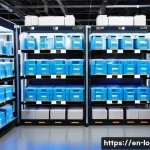
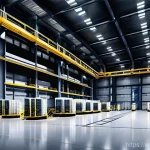
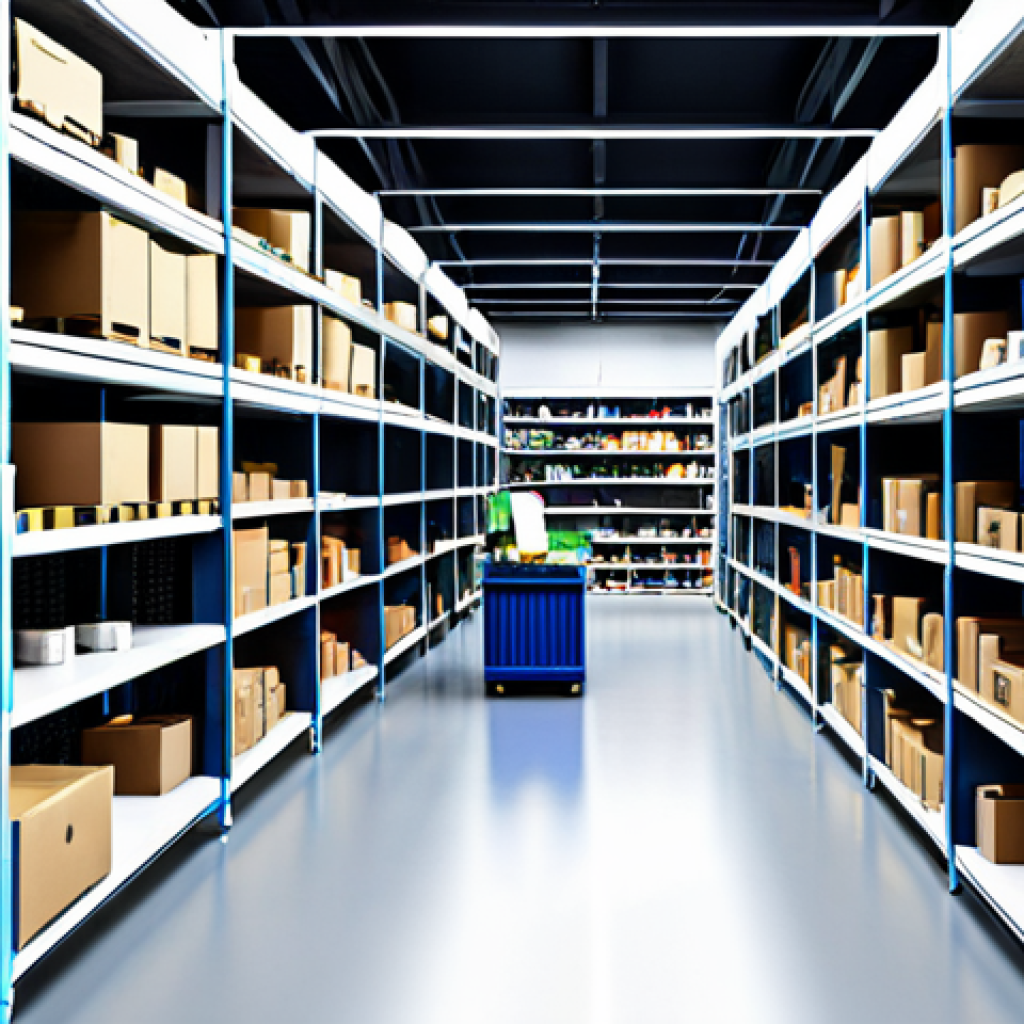
Forget massive, centralized warehouses located miles away from the city center. Hyper-local warehousing is all about bringing fulfillment closer to the customer. Micro-fulfillment centers (MFCs) are small, automated warehouses located in urban areas – think of them as the corner store of the digital age. These MFCs are strategically positioned to serve densely populated areas, allowing for rapid order fulfillment and delivery. I’ve seen these popping up in old retail spaces, vacant lots, and even repurposed parking garages. They’re designed to handle a high volume of orders with minimal human intervention, using robotics and automation to pick, pack, and sort items. This not only speeds up the delivery process but also reduces transportation costs and carbon emissions. It’s a win-win for both businesses and consumers.
2. Pop-Up Warehouses: Flexibility on Demand
Pop-up warehouses take the hyper-local concept to the next level. These temporary facilities are set up in response to seasonal demand or special events. Imagine a major sporting event happening in your city – suddenly, there’s a huge spike in demand for team merchandise, snacks, and beverages. A pop-up warehouse can be quickly deployed to meet this demand, ensuring that fans can get their gear delivered in time for the game. I remember seeing one set up near a music festival, stocked with everything from sunscreen and water bottles to portable chargers and earplugs. These temporary warehouses are incredibly flexible and can be easily scaled up or down as needed. They’re a great way for retailers to capitalize on short-term opportunities and provide a seamless delivery experience.
The Rise of Autonomous Delivery: Robots to Your Doorstep
1. Delivery Drones: The Future is Now (Almost)
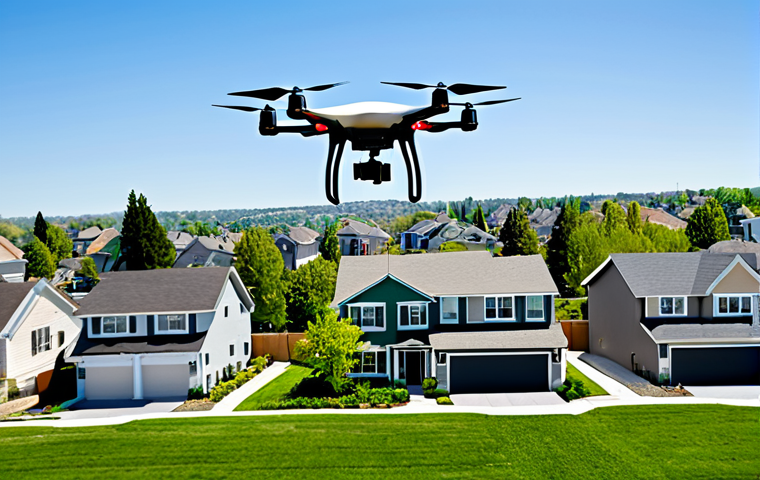
Okay, I know what you’re thinking – delivery drones, that’s just science fiction, right? Well, not anymore. While widespread drone delivery is still a few years away, the technology is rapidly advancing. I’ve been following the developments in this area closely, and I’m amazed by the progress being made. Companies are testing drones for delivering everything from small packages and medications to groceries and takeout food. The potential benefits are huge – faster delivery times, reduced traffic congestion, and lower delivery costs. Of course, there are still regulatory hurdles to overcome, as well as concerns about safety and noise pollution. But I believe that drone delivery will eventually become a common sight in our cities.
2. Autonomous Vehicles: The Self-Driving Delivery Fleet
Autonomous vehicles are another exciting development in the world of delivery. Imagine a fleet of self-driving vans and trucks delivering packages 24/7, without the need for human drivers. This would not only reduce labor costs but also improve efficiency and safety. I’ve seen prototypes of these vehicles in action, and they’re pretty impressive. They use a combination of sensors, cameras, and AI to navigate roads, avoid obstacles, and deliver packages to the right address. While fully autonomous delivery is still a ways off, I expect to see more and more companies experimenting with this technology in the coming years. It has the potential to revolutionize the last-mile delivery process.
The Customer Experience: Control and Convenience at Your Fingertips
1. Real-Time Tracking: Watching Your Package Every Step of the Way
Remember the days of anxiously waiting for a package, wondering where it was and when it would arrive? Those days are long gone, thanks to real-time tracking. Now, we can track our packages every step of the way, from the moment they leave the warehouse to the moment they arrive at our doorstep. I’ve become obsessed with watching the little map on my phone, seeing exactly where my package is and how many stops away it is. This level of transparency gives us a sense of control and reduces anxiety. It also allows us to plan our day around the delivery, ensuring that we’re home to receive it. Real-time tracking has become an essential part of the e-commerce experience, and I can’t imagine going back to the old way.
2. Flexible Delivery Options: Tailoring the Experience to Your Needs
We all have different schedules and preferences, so a one-size-fits-all delivery approach just doesn’t cut it anymore. That’s why flexible delivery options are so important. Now, we can choose when and where we want our packages delivered, whether it’s to our home, our office, or a secure locker. I often use the “deliver to locker” option when I know I won’t be home during the day. It’s so convenient to be able to pick up my packages at my leisure, without having to worry about them being stolen or damaged. We can also reschedule deliveries, change the delivery address, or even have our packages held at a local store for pickup. These flexible options put us in control of the delivery experience, making it more convenient and personalized.
The Environmental Impact: Sustainability in the Fast Lane
1. Optimizing Routes for Reduced Emissions
One of the biggest concerns about rapid delivery is its environmental impact. All those delivery trucks and vans burning fuel and emitting greenhouse gases can take a toll on our planet. That’s why it’s so important to optimize delivery routes for reduced emissions. By using AI-powered routing algorithms, companies can minimize the distance traveled by delivery vehicles, reducing fuel consumption and emissions. I’ve seen some companies even using electric vehicles and cargo bikes for deliveries in urban areas, further reducing their carbon footprint. It’s great to see companies taking steps to make their delivery operations more sustainable.
2. Consolidation and Green Packaging
Another way to reduce the environmental impact of delivery is through consolidation and green packaging. Instead of sending multiple small packages, companies can consolidate orders into fewer, larger packages. This reduces the amount of packaging material used and the number of trips required for delivery. I’ve also noticed a growing trend towards using eco-friendly packaging materials, such as recycled cardboard, biodegradable packing peanuts, and compostable mailers. These materials are less harmful to the environment and can help reduce waste. By embracing consolidation and green packaging, companies can make their delivery operations more sustainable and environmentally responsible.
The Future of Delivery: What’s Next?
1. Integration of AR and VR: The Immersive Delivery Experience
Imagine being able to see a virtual representation of your package before it even arrives, using augmented reality (AR) or virtual reality (VR). This could allow you to check the contents, inspect the condition, and even try on clothes or visualize furniture in your home before accepting the delivery. I’ve seen some companies experimenting with this technology, and it’s pretty mind-blowing. It could also be used to provide interactive delivery instructions, such as showing you how to assemble a product or install an appliance. The integration of AR and VR could make the delivery experience more immersive, engaging, and informative.
2. The Hyperloop for Packages: Ultra-Fast Long-Distance Delivery
While same-day delivery is impressive, what about ultra-fast long-distance delivery? The hyperloop, a high-speed transportation system that uses pods traveling through low-pressure tubes, could make this a reality. Imagine being able to ship a package from Los Angeles to New York in just a few hours. This would revolutionize the logistics industry and enable businesses to deliver goods to customers across the country in record time. While the hyperloop is still in the early stages of development, it has the potential to transform the way we think about long-distance delivery. I’m excited to see how this technology evolves in the coming years.
| Technology | Description | Benefits | Challenges |
|---|---|---|---|
| AI-Powered Routing | Algorithms that optimize delivery routes in real-time. | Faster delivery times, reduced fuel consumption, improved efficiency. | Requires large datasets, complex algorithms, and ongoing maintenance. |
| Hyper-Local Warehousing | Small, automated warehouses located in urban areas. | Rapid order fulfillment, reduced transportation costs, faster delivery times. | High upfront costs, limited space, requires sophisticated automation. |
| Delivery Drones | Unmanned aerial vehicles that deliver packages. | Faster delivery times, reduced traffic congestion, lower delivery costs. | Regulatory hurdles, safety concerns, noise pollution. |
| Autonomous Vehicles | Self-driving vans and trucks that deliver packages. | Reduced labor costs, improved efficiency, 24/7 delivery. | Technological challenges, safety concerns, regulatory hurdles. |
| Real-Time Tracking | Systems that allow customers to track their packages in real-time. | Increased transparency, reduced anxiety, improved customer satisfaction. | Requires robust tracking technology and reliable data transmission. |
In Conclusion
The evolution of delivery is nothing short of a revolution, driven by technological advancements and a relentless focus on customer satisfaction. From AI-powered routing to the promise of drone deliveries, the future of how we receive goods is being reshaped at an unprecedented pace. It’s an exciting journey to witness, and I can’t wait to see what innovations the next few years will bring to our doorsteps.
Good to Know Information
1. Amazon Prime Now: Offers free two-hour delivery or one-hour delivery for a fee on eligible items in select cities. A great option for urgent needs.
2. Instacart: Partnering with local grocery stores to deliver groceries within an hour. Perfect when you need fresh ingredients fast.
3. DoorDash DashPass: Provides unlimited deliveries from restaurants and grocery stores with a $0 delivery fee on orders over a certain amount. A worthwhile investment if you order frequently.
4. UPS Access Point: Allows you to redirect packages to a secure location near you, such as a UPS Store or local business, for convenient pickup.
5. Shippo: A shipping platform that helps small businesses compare rates and automate shipping processes, making it easier to offer fast and affordable delivery.
Key Takeaways
AI and machine learning are transforming delivery logistics, enabling predictive demand forecasting and dynamic route optimization. Hyper-local warehousing, including micro-fulfillment centers and pop-up warehouses, is bringing inventory closer to consumers, speeding up delivery times. Autonomous delivery solutions, such as drones and self-driving vehicles, are poised to revolutionize the last-mile delivery process. Real-time tracking and flexible delivery options are enhancing the customer experience by providing greater control and convenience. Sustainability is becoming an increasingly important factor, with companies focusing on optimizing routes for reduced emissions and using green packaging.
Frequently Asked Questions (FAQ) 📖
Q: How do Rocket Delivery and Same-Day Delivery services actually work?
A: Well, from what I’ve seen, it’s a pretty intricate system! It all starts with strategically located warehouses, often near densely populated areas. Retailers partner with delivery companies that utilize advanced routing algorithms, sometimes even powered by AI, to determine the quickest and most efficient delivery routes.
I’ve noticed some companies using real-time traffic data and predictive analytics to anticipate delays and adjust routes on the fly. Then, you’ve got a fleet of vehicles, sometimes even including electric bikes or scooters for those short “last mile” deliveries.
I even read about companies experimenting with drones! Basically, it’s a combination of smart logistics and quick transport that gets your package to you in a flash.
Q: Are Rocket Delivery and Same-Day Delivery options always more expensive than standard shipping?
A: Honestly, it depends. I’ve found that it can be a bit more pricey, especially if you’re ordering from a smaller retailer. But, bigger players like Amazon or Walmart often offer same-day delivery as part of their premium subscription services, making it a more affordable option if you already subscribe.
Sometimes, retailers will also offer promotions or discounts on faster delivery, especially during peak shopping seasons. So, it’s always worth checking the fine print and comparing shipping options before you click that “place order” button.
Q: What are some of the environmental impacts of Rocket Delivery and Same-Day Delivery, and are companies doing anything to address them?
A: That’s a great question! I’ve been thinking about this a lot lately. All that extra delivery can definitely contribute to increased traffic congestion and carbon emissions.
However, I’ve noticed some companies are taking steps to mitigate those impacts. For example, many are investing in electric vehicle fleets or using alternative fuels.
I’ve also read about initiatives to optimize delivery routes to reduce mileage and encourage customers to consolidate their orders. Plus, I’ve seen some companies partnering with carbon offset programs to compensate for their emissions.
It’s definitely an evolving area, and it’s encouraging to see companies starting to prioritize sustainability.
📚 References
Wikipedia Encyclopedia
구글 검색 결과
구글 검색 결과
구글 검색 결과
구글 검색 결과
구글 검색 결과