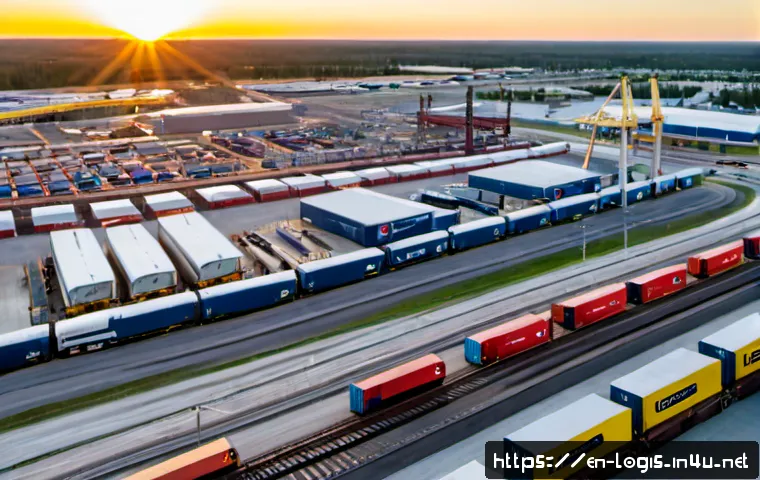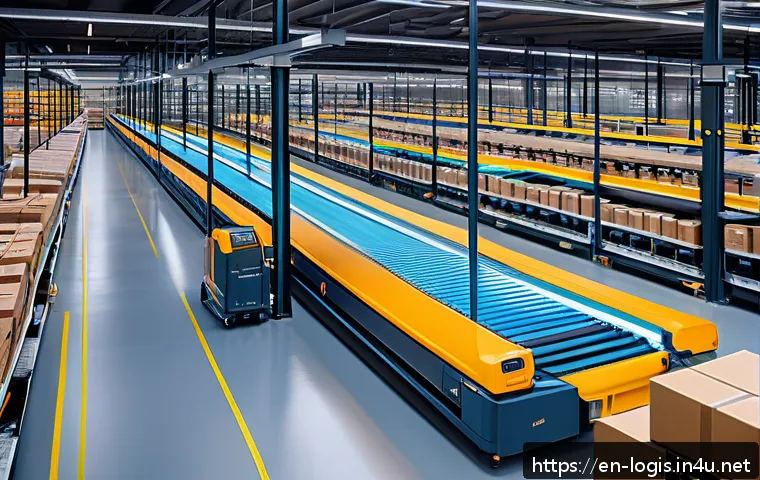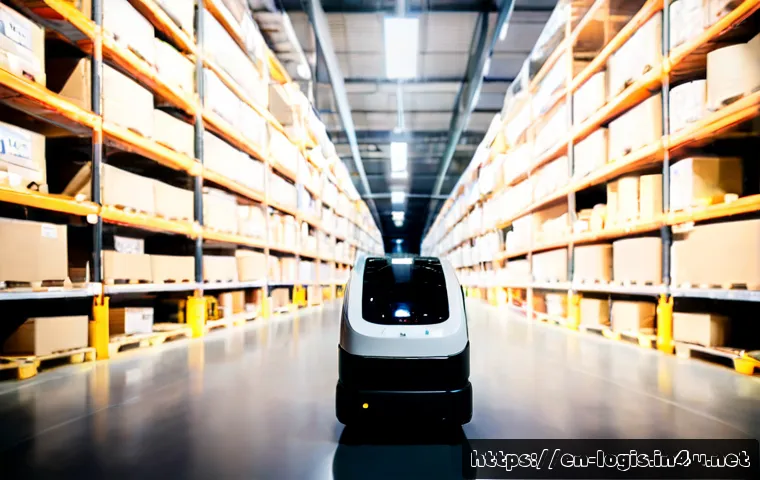
Warehouse automation robots are worth evaluating when repeatable movement, picking support, or pallet travel has become a consistent operational bottleneck.
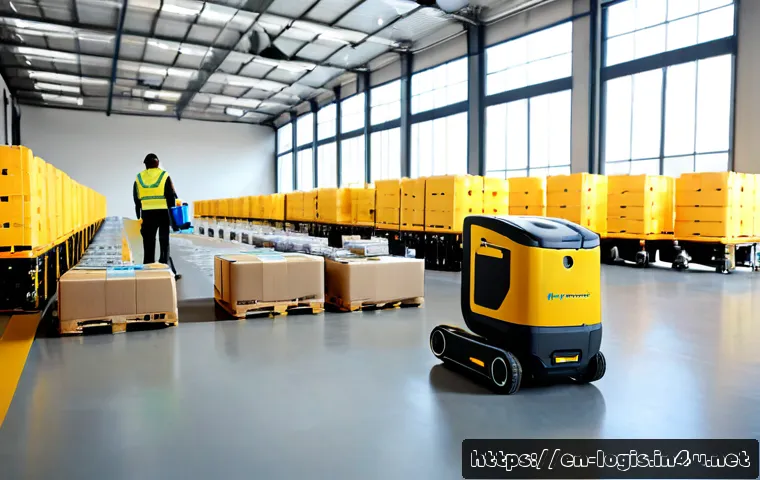
They are not a shortcut for poor slotting, unreliable inventory records, unclear labeling, or unstable workflows. The best option depends on the work being automated, not on the most impressive robot feature list.
Operations leaders should compare integration requirements, fleet-management software, safety planning, support terms, and total cost of ownership before requesting an implementation quote.
A pilot can help test human-robot interaction and exception handling in the real facility. The goal is a more reliable workflow, not automation for its own sake.
At a Glance
- Start with the workflow: robots are usually most useful for repeatable travel, predictable handoffs, and recurring bottlenecks.
- Compare total cost of ownership: equipment is only one part of deployment, integration, support, charging, training, and downtime planning.
- Validate the site first: layout, inventory accuracy, WMS compatibility, safety requirements, and peak-season needs affect deployment fit.
| Robot Category | Best-Fit Workflow | Implementation Complexity | Main Cost Drivers |
|---|---|---|---|
| Autonomous mobile robots (AMRs) | Cart, tote, and route-based movement | Depends on navigation conditions, traffic flow, and software integration | Fleet size, charging approach, fleet-management software, integration, support |
| Pallet-moving robots | Repeated heavy-load travel and material replenishment | Requires clear travel paths, pickup and drop-off standards, and safety planning | Load handling needs, site conditions, deployment work, maintenance |
| Picking robots | Fulfillment workflows with repeatable picking tasks | Depends on product variety, exceptions, picking logic, and system data | Integration, workflow design, handling requirements, ongoing support |
| Goods-to-person systems | High-density fulfillment and structured picking stations | Often requires broader process and layout planning | System design, implementation, software, storage configuration, service terms |
When Warehouse Robotics Is Worth the Investment
The short answer: automate repeatable movement and bottlenecks, not every task
Warehouse robotics is usually easier to justify when employees repeatedly spend time moving totes, carts, pallets, or materials between known points. A strong candidate has clear handoffs, repeatable routes, and measurable operational friction. The task should also have a defined exception process. If every order requires unusual judgment, special handling, or frequent improvisation, automation may add complexity instead of removing it.
Signs that a manual workflow has reached its practical limit
Look for persistent congestion around staging areas, long travel paths between work zones, inconsistent replenishment, or picking teams waiting on materials. These signals do not automatically prove that a robot fleet is the answer, but they create a useful starting point for a warehouse automation comparison. Review where time is lost, where errors are introduced, and where demand changes create pressure on the operation.
When process improvement should come before buying equipment
Fix basic process problems first. Poor slotting, unclear labels, inaccurate inventory, blocked aisles, and inconsistent scanning can weaken any robotics implementation. A practical first step is to map the current process and identify avoidable travel, duplicate touches, and exceptions. Then decide whether automation supports the improved workflow. Robots should reinforce a stable process, not conceal an unstable one.
Compare Robot Types by Workflow, Not by Features
Autonomous mobile robots for cart, tote, and route-based movement
AMRs can fit workflows where totes, carts, or small material loads must move repeatedly across a facility. The useful question is not simply whether the robot can navigate independently. Ask whether it can work with your travel routes, staging rules, scanners, WMS workflow, and employee handoffs. Navigation performance should be assessed in real operating conditions, including busy periods and temporary obstructions.
Pallet transport systems for repetitive heavy-load travel
Pallet-moving automation may fit manufacturing material handling, replenishment, or repeated transfers between storage and work areas. The workflow needs clear pickup and drop-off standards. Travel paths, aisle conditions, load characteristics, and interactions with people and other equipment should be reviewed before a deployment plan is approved.
Picking and goods-to-person systems for fulfillment-intensive operations
Picking robots and goods-to-person systems can be relevant where fulfillment operations have structured order flow and repeated item retrieval. Their fit depends heavily on order profiles, product characteristics, inventory accuracy, and the way exceptions are handled. A system that works well for one SKU mix may not fit another. Evaluate the full pick process, including replenishment, packing, returns, and quality checks.
The comparison criteria that matter: payload, navigation, uptime, integration, and scalability
Use a short comparison scorecard. Consider payload and handling fit, navigation in the existing environment, expected uptime support, integration with current systems, and the ability to expand or adjust the fleet. Also ask how the solution manages blocked paths, failed scans, low battery conditions, and priority work. These details often matter more than a feature demonstration.
Cost Drivers and Total Cost of Ownership
Upfront equipment, software, deployment, and integration considerations
Robotics pricing is not limited to the physical unit. A total-cost-of-ownership review should include equipment, software, implementation services, facility preparation, and technical integration. Compatibility with WMS, ERP, barcode systems, conveyors, and existing equipment needs vendor and internal technical validation. Contract structure, site requirements, and region can also affect the final proposal.
Ongoing support, maintenance, battery or charging, and fleet-management costs
Ask what is included after go-live. Review support response arrangements, maintenance responsibilities, charging or battery planning, software access, updates, and fleet-management software. Downtime planning deserves attention as well. A practical proposal should explain what happens when a robot, connection, scanner, or work area is unavailable.
Estimating value through labor redeployment, throughput, error reduction, and peak capacity
Value should be evaluated through the specific workflow, not assumed from a generic productivity claim. Consider whether people can be reassigned from low-value travel to work that requires judgment, whether bottlenecks can be reduced, and whether peak demand can be handled with more consistency. Actual outcomes depend on layout, order volume, staffing, integration, and process design.
Deployment Steps, Safety Planning, and Common Mistakes
Map travel paths, bottlenecks, exception handling, and human-robot interaction
Before selecting a vendor, map where materials begin, move, wait, and finish. Include crossings, shared aisles, staging areas, manual interventions, and peak traffic. Define who responds when the robot cannot complete a task. Exception handling is part of the workflow design, not an afterthought.

Validate WMS, ERP, scanning, inventory, and network readiness
A warehouse robotics project may depend on clean system data and reliable communication. Confirm how tasks are created, assigned, confirmed, and closed in the WMS or ERP. Check barcode processes, inventory status logic, and network readiness with the appropriate internal teams and vendor. Do not assume compatibility based on a general product description.
Avoid underestimating change management, training, and pilot testing
Employees need clear operating rules, training, and a way to report issues. Supervisors need visibility into workload, priorities, and exceptions. A pilot can expose practical problems in layout, handoffs, and training before a broader fleet deployment. Safety, regulatory, insurance, and labor requirements should be confirmed for the facility and jurisdiction.
Which Operations Benefit Most From Different Automation Approaches?
E-commerce and omnichannel fulfillment environments
Fulfillment-intensive operations may consider AMRs, picking support, or goods-to-person approaches when travel and item retrieval are recurring constraints. The right fit depends on order variability, SKU characteristics, replenishment design, and peak patterns.
Manufacturing material handling and line-side replenishment
Manufacturing sites may evaluate pallet transport or route-based mobile robots for repeatable movement between storage, staging, and production areas. The priority is dependable material flow without disrupting safety practices or line-side operations.
Third-party logistics providers with changing client volumes
Third-party logistics providers need to assess flexibility carefully. Client volumes, product types, and workflows can change. A proposal should clarify how the solution adapts to a different layout, workload, or customer requirement and what contract commitments apply.
Smaller warehouses with limited space or inconsistent order patterns
Smaller facilities should not assume that a large automation system is necessary. First examine layout changes, slotting, scanning discipline, and manual process improvements. AMRs may be worth exploring where travel is repetitive, but limited space and inconsistent work patterns require careful testing.
Selection Criteria and Comparison Summary
Before requesting warehouse automation quotes, compare proposals using the same decision criteria:
- Workflow fit: Which specific movements, picks, or replenishment tasks will be automated?
- Integration scope: How will the solution connect with WMS, ERP, scanners, conveyors, and current operating rules?
- Operational resilience: How are blocked routes, manual overrides, downtime, and peak demand handled?
- Support and contract structure: What is included for maintenance, software, training, response support, and future changes?
- Scalability: Can the fleet, workflows, and management tools adjust as facility needs change?
Do not choose only on headline price. A lower initial proposal can still create operational risk if integration, support, training, or downtime planning is unclear. Request vendor demos, integration assessments, and implementation quotes that reflect your actual facility workflow. Official product pages and proposal documents are the right place to review detailed conditions.
Final Thoughts
Smart warehouse robots can support more consistent material movement, picking, and fulfillment operations when the workflow is stable enough to automate. Start with the bottleneck, validate the operational data, and compare robot categories against the work that actually needs to be done. A well-defined pilot and a realistic total-cost-of-ownership review provide a stronger basis for a larger decision. The best deployment is one that improves the daily operation without creating unnecessary complexity.
Useful Information
1. Map the current workflow before comparing vendors.
2. Include exceptions, not just ideal travel paths, in a pilot plan.
3. Review fleet-management software alongside the physical robots.
4. Confirm who owns integration, training, support, and downtime response.
5. Keep process improvement and automation planning connected.
Important Considerations
Actual purchase, subscription, installation, maintenance, and support costs vary by robot type, fleet size, contract terms, region, and site requirements. Expected operational results depend on workflow design, layout, order profiles, staffing, and software integration. Safety, regulatory, insurance, labor, and technical compatibility requirements must be confirmed for the specific facility and jurisdiction.
Frequently Asked Questions
Q1. How much do warehouse automation robots cost?
A1. Costs vary widely based on robot category, fleet size, software, integration work, site preparation, contract terms, support, and maintenance. A useful quote should show the full implementation scope rather than only the equipment price.
Q2. Are autonomous mobile robots a good fit for a small or mid-sized warehouse?
A2. They can be worth evaluating when there is repeatable travel for carts, totes, or materials. Small and mid-sized facilities should first confirm that available space, traffic patterns, workflow consistency, and integration needs support the intended use case.
Q3. What should a company check before requesting a warehouse robotics quote?
A3. Prepare a workflow map, facility layout, task volumes, order variability, current WMS or ERP details, scanning processes, safety requirements, and known bottlenecks. Ask vendors how their solution handles integration, exceptions, support, training, scalability, and contract structure.